

Learning from Latvia: Ukrainian parliamentary participants explore EU integration in practice
Past Event - 19-23 October 2026Organised by the Latvian Saeima and the Riga Graduate School of Law, the blended training programme brought together parliamentary participants from Ukraine and Moldova to explore the role of national parliaments in the European Union integration process. Combining online learning with an in-person visit to Riga, the programme provided opportunities to examine Latvia’s experience of EU accession, the legal framework for EU integration, and the parliamentary practices and structures that support this process.
Inter Pares, part of the WYDE programme, funded by the European Union and implemented by International IDEA, facilitated the participation of the Verkhovna Rada delegation, supporting peer learning and direct exchanges with Latvian counterparts. The programme included two online sessions, held during the weeks of 12–15 October and 2–6 November 2026, as well as the in-person component in Riga from 19 to 23 October.
Connecting EU knowledge with parliamentary practice
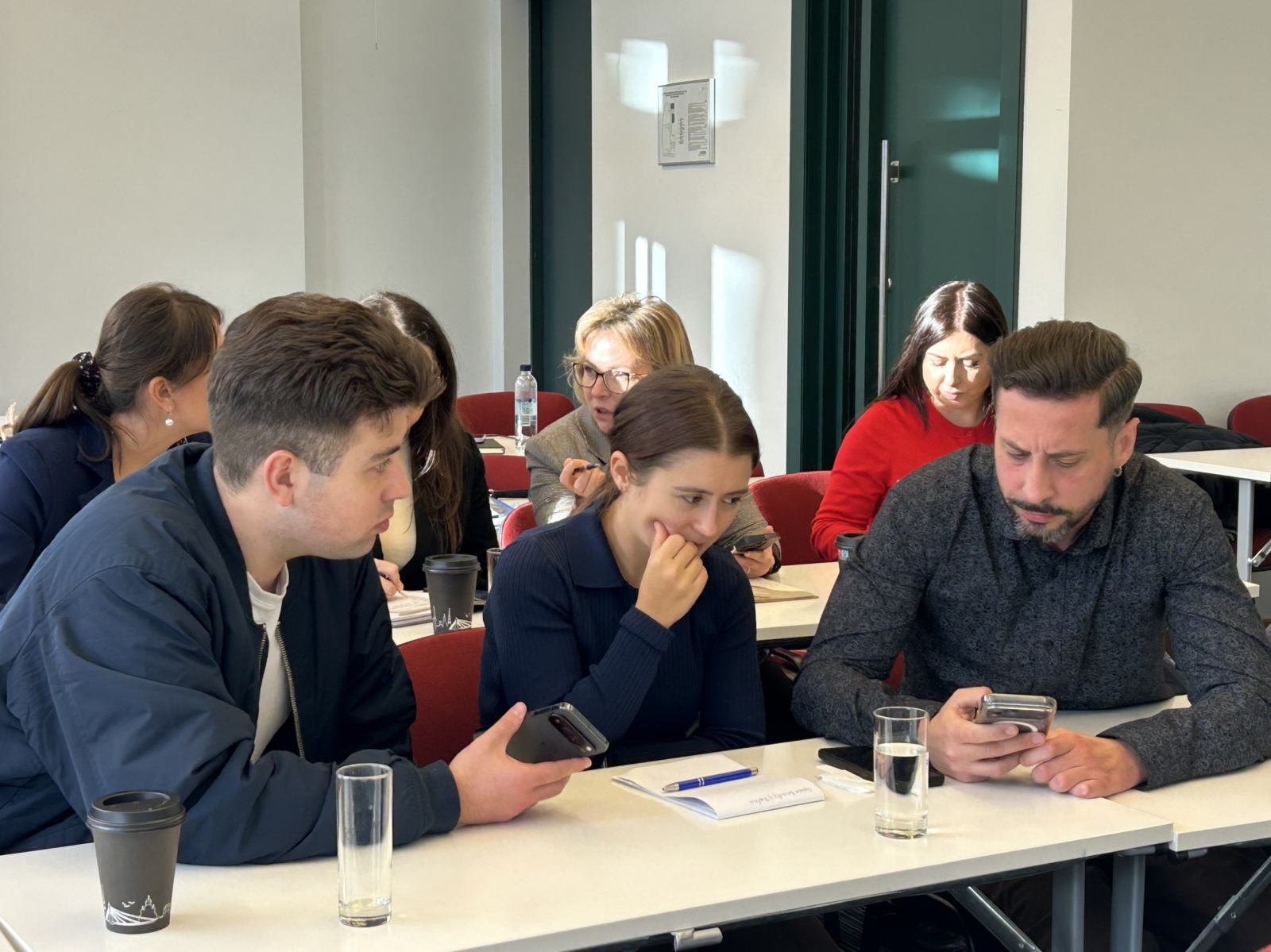
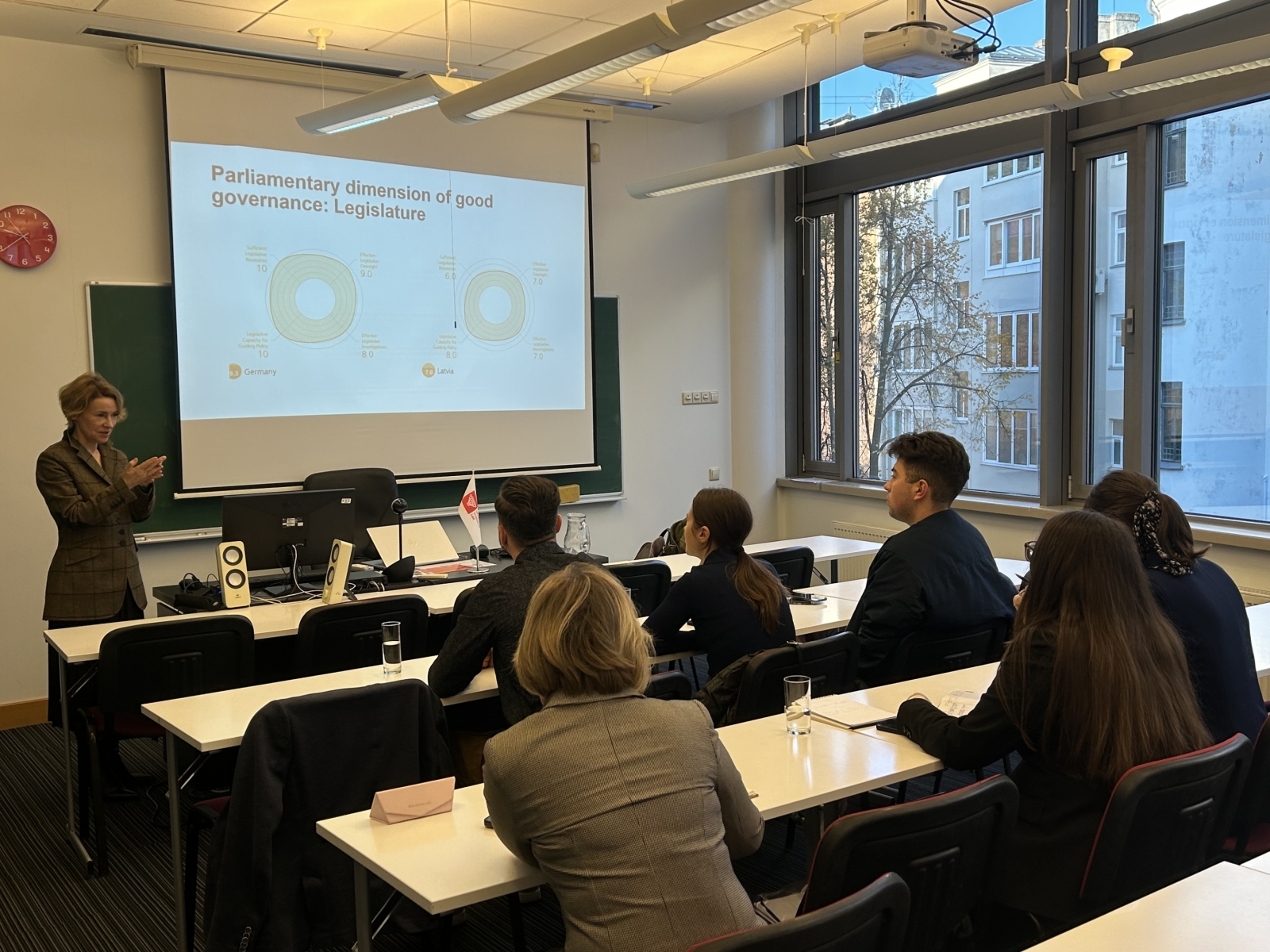
Lectures on European Union law, European integration, opportunities to influence EU accession negotiation techniques provided the academic foundation for the visit in Riga. The training took a practical approach, with numerous case studies and exercises giving participants opportunities to apply the concepts discussed.
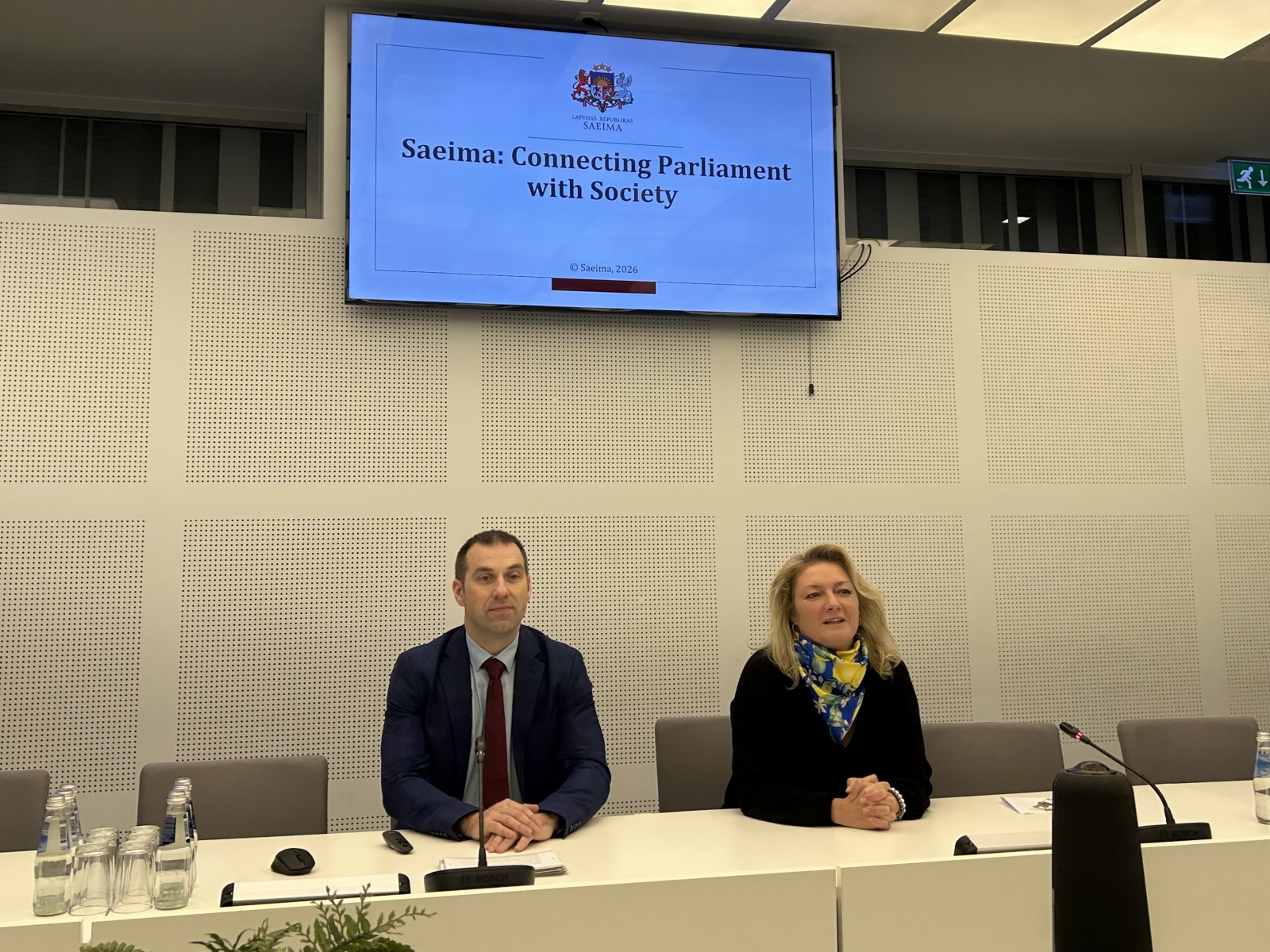
The programme connected these topics with the everyday work of parliamentary committees and services. A dedicated day at the Saeima offered opportunities to compare working methods, ask questions and explore how Latvia organises its parliamentary engagement in EU affairs.
Discussions with the European Affairs Committee examined its cooperation with other parliamentary committees, government agencies and EU institutions. Participants explored how information and positions are coordinated, how ministers and parliamentary secretaries contribute to committee discussions, and how civil society organisations are informed about the Committee’s agenda. These exchanges offered concrete examples of the coordination underpinning parliamentary work on EU matters.
Exploring the services behind parliamentary decisions
Meetings with the Saeima’s Research Service and Legal Bureau brought attention to the expertise supporting MPs and committees. The Research Service presented how research priorities are identified, studies commissioned and findings shared with parliamentary and wider audiences.
The Legal Bureau explained its impartial role in reviewing draft legislation and providing legal advice. Participants from both delegations asked questions about its structure, specialist expertise and working methods, alongside discussions on digital access to legislative documents and publication practices in Ukraine and Moldova.
Exchanges with the Public Relations Bureau complemented these discussions by examining how parliament communicates its work and engages the public. Examples included visitor programmes, youth initiatives, media relations and cooperation with civil society. The programme also included a meeting with the Interparliamentary Relations Bureau and observation of a plenary sitting.
Sharing accession experience and reaffirming support
The delegation met the Speaker of the Saeima, Daiga Mieriņa, and Deputy Speaker Zanda Kalniņa-Lukaševica, and was welcomed by Lelde Rāfelde, Secretary General of the Saeima Administration.
The meetings provided space to discuss Ukraine’s progress and challenges on its path towards EU membership. The Speaker, Deputy Speaker and Secretary General reaffirmed Latvia’s support for Ukraine’s European integration, while exchanges with the Deputy Speaker explored Latvia’s accession experience and the role of parliament in that process. Discussions also addressed parliamentary ethics, freedom of speech and the challenges posed by disinformation.
A meeting at the Embassy of Ukraine in Latvia added a wider perspective on cooperation with Latvian authorities and partners. Discussions with First Secretary Natalia Bereza covered Latvia’s support for Ukraine, including humanitarian assistance, educational opportunities and language support for Ukrainians in Latvia, as well as efforts to counter disinformation.
By bringing academic training together with direct parliamentary exchanges, the visit offered Ukrainian and Moldovan participants opportunities to examine Latvia’s experience in detail and compare approaches relevant to the Parliament of the Republic of Moldova and Verkhovna Rada’s work on EU integration.
Inter Pares warmly thanks the Latvian Saeima and the Riga Graduate School of Law for an excellent and insightful programme, and for their commitment to supporting Ukraine and Moldova on their paths towards EU membership. We look forward to building on this cooperation through similar peer-learning activities and wider opportunities for parliamentary exchange.