

From Communication to Ethics: Ukrainian, French and German Parliamentary Staff Exchange Practical Experience in Paris
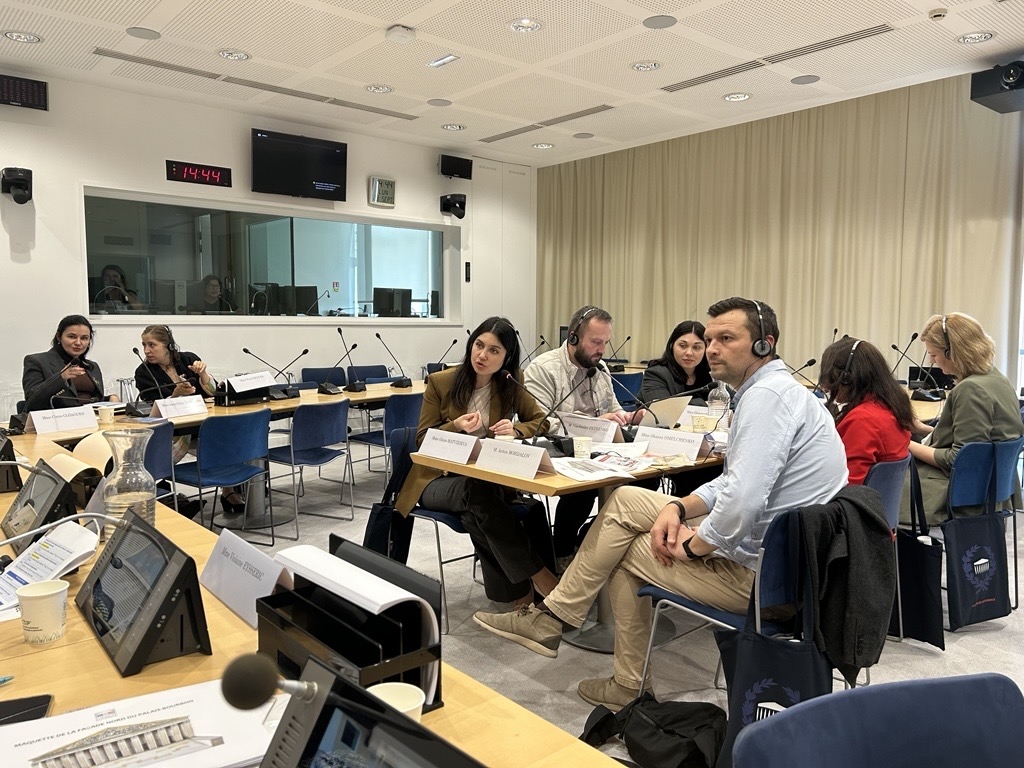
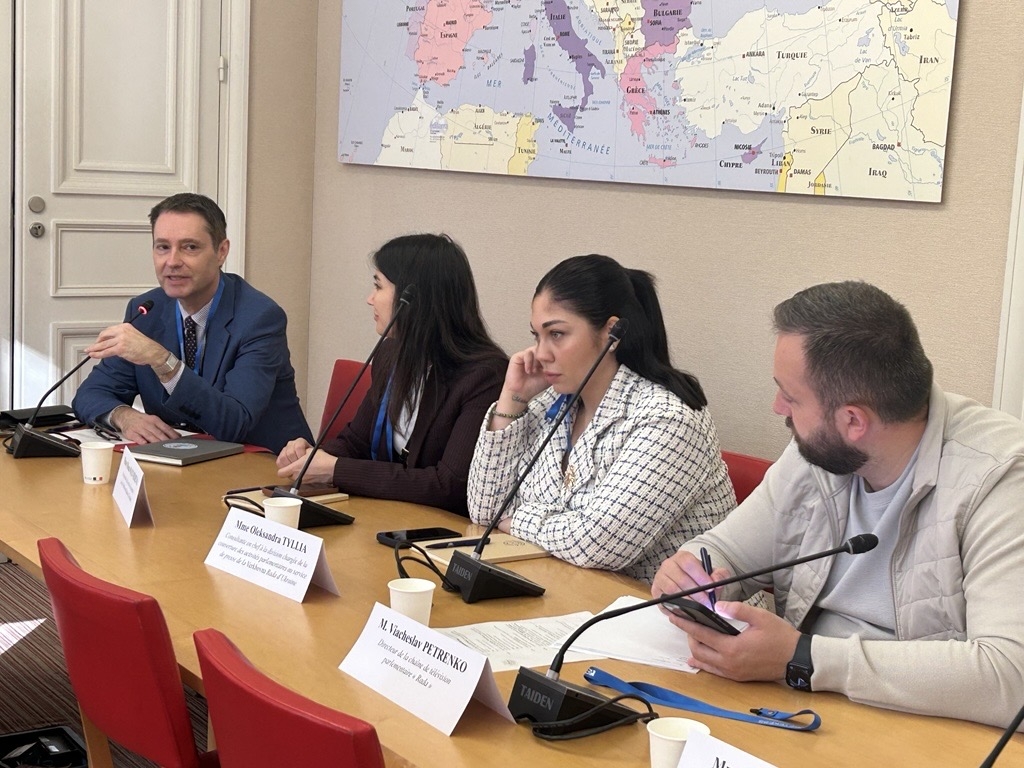
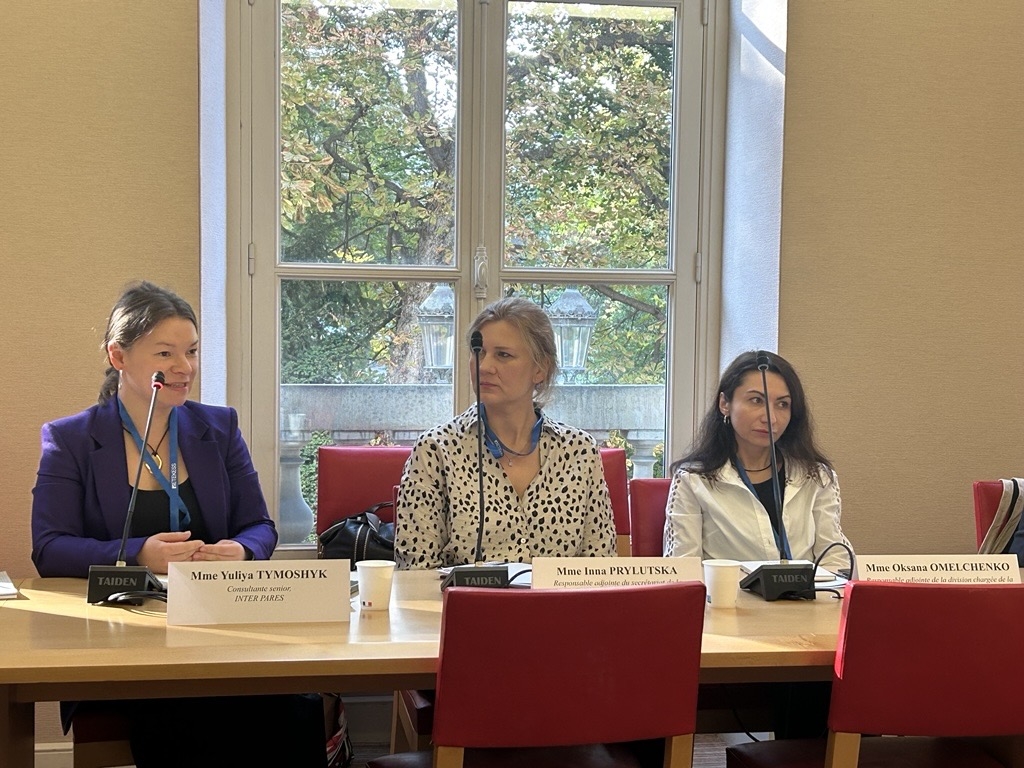
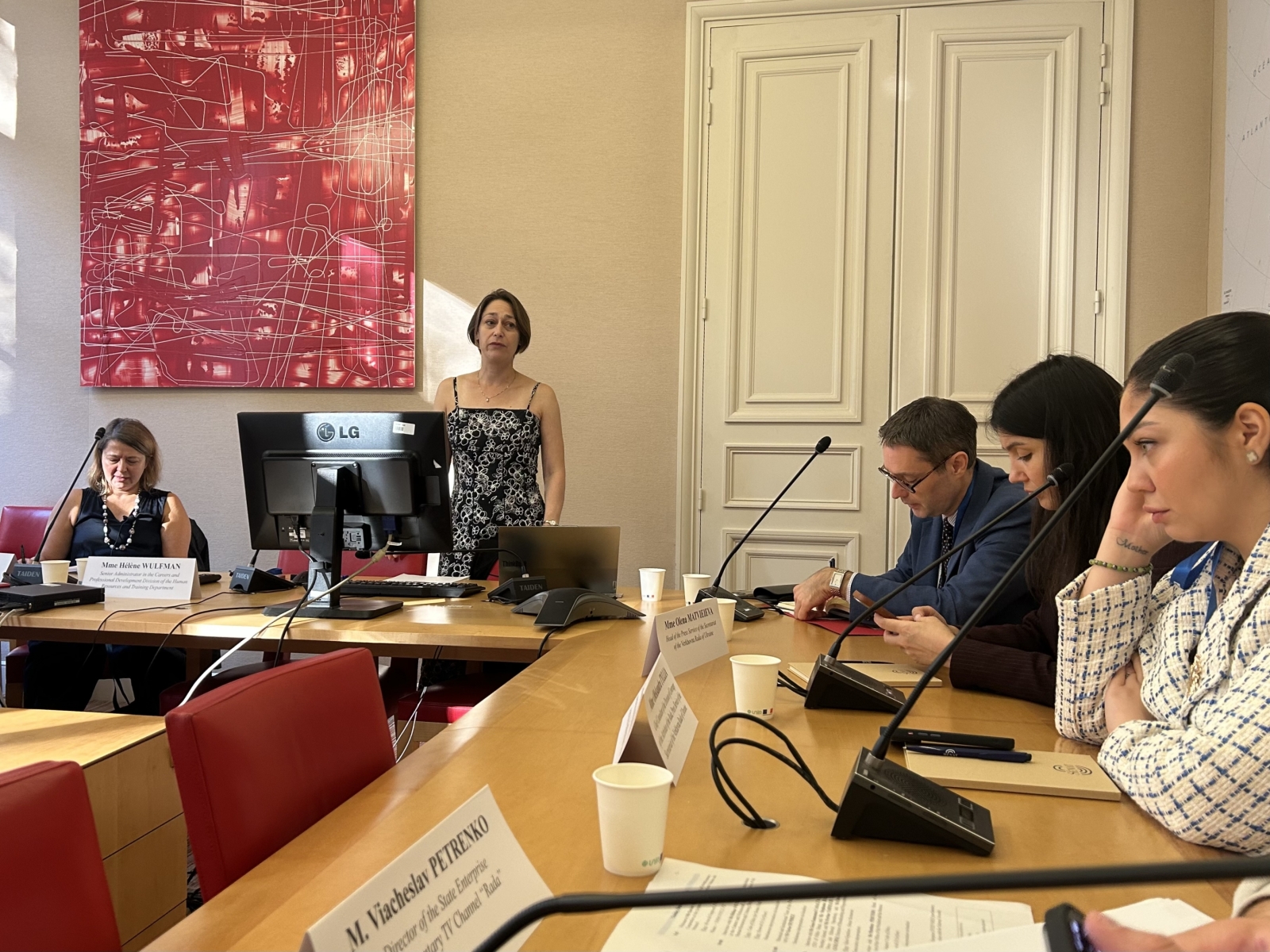
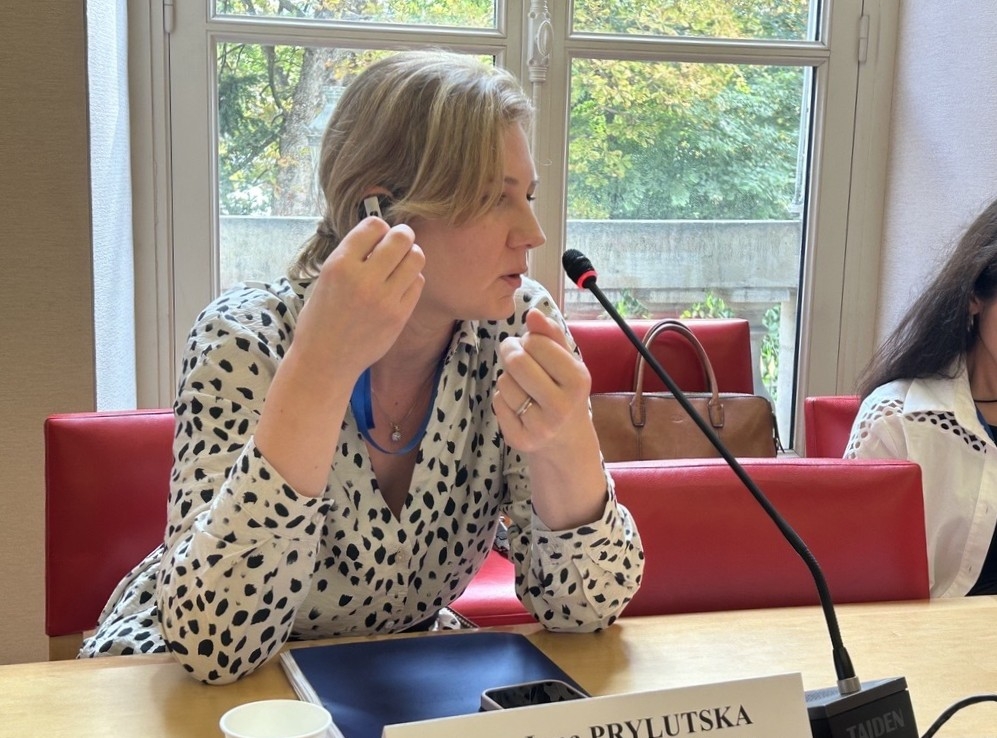
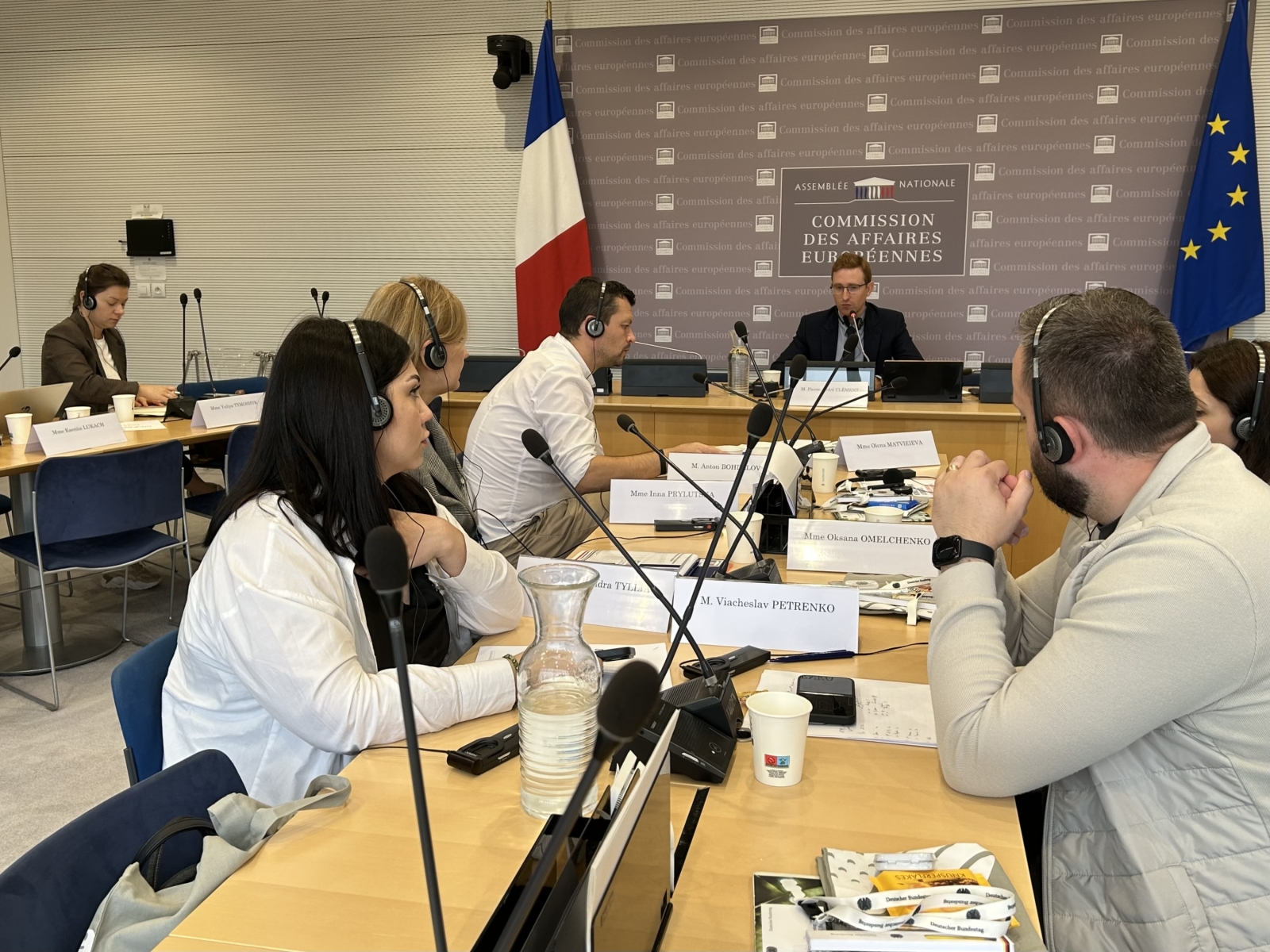
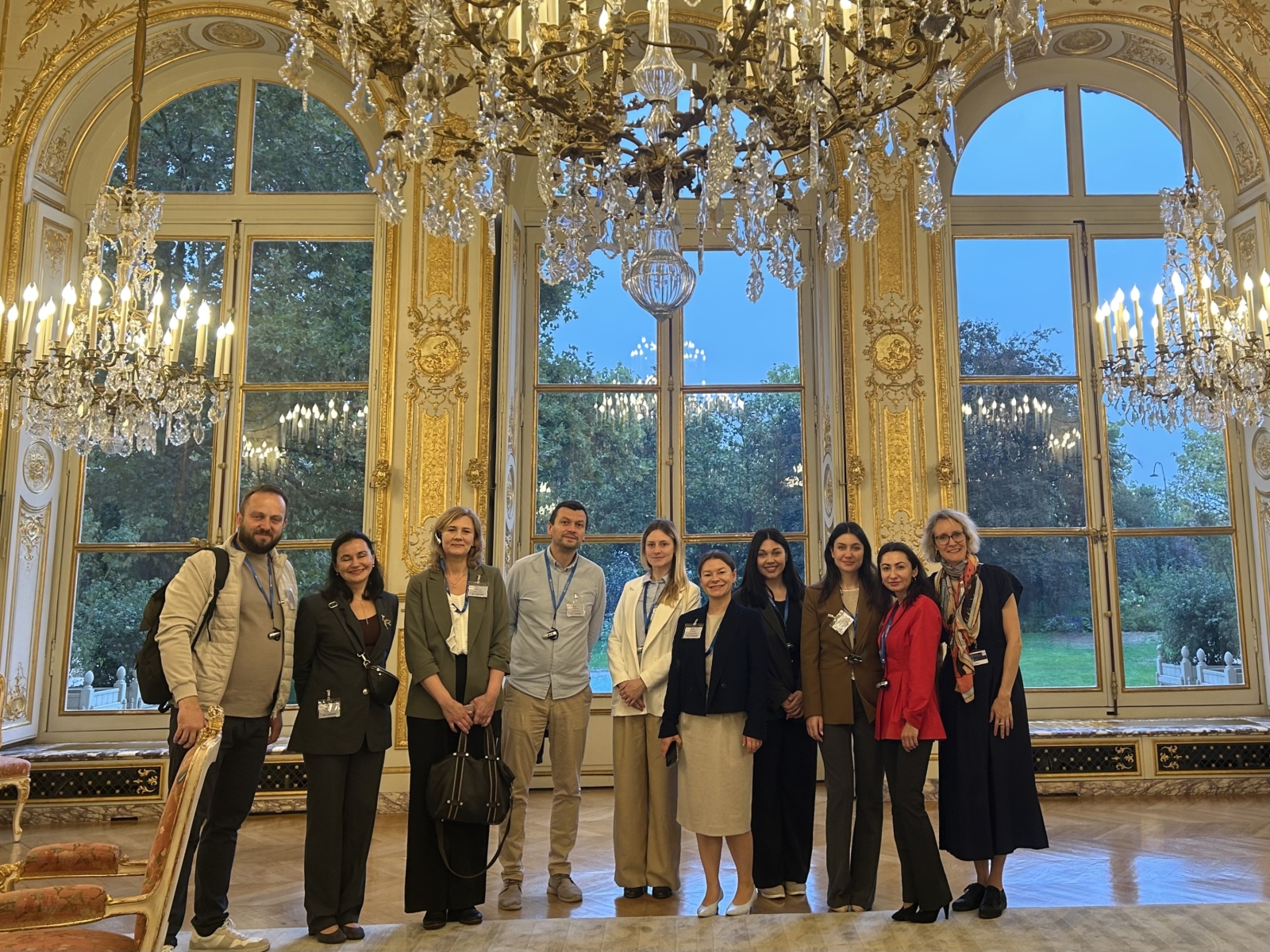
Past Event - 28-30 September 2026How can parliaments bring their work closer to citizens, inspire younger generations and foster a strong culture of ethics and integrity? This and other questions were at the heart of a three-day study visit to Paris with staff of the Verkhovna Rada of Ukraine. Co-organised by the French National Assembly, the French Senate, the German Bundestag and WYDE | Inter Pares: Parliaments in Partnership, funded by the European Union, and implemented by International IDEA, the programme brought together parliamentary practitioners to Paris on 28-30 October for a practical exchange on two closely connected areas of parliamentary work: communication and ethics.
The programme enabled Ukrainian parliamentary staff working in press, parliamentary broadcasting, ethics and institutional communication to compare approaches with their French and German counterparts.
Building on Inter Pares support for strategic parliamentary communication
Hosted by the French National Assembly and Senate, the study visit brought together parliamentary communication professionals to exchange experiences and practical approaches in developing a strategic and coordinated approach to parliamentary communication. For staff of the Verkhovna Rada, the visit also provided an opportunity to build on discussions initiated through a series of three online workshops on Building a Strategic Parliamentary Communications Function, Media Relations and Crisis Communication, and Digital Communication and Citizen Engagement.
Communicating parliament: exchanges at the French National Assembly
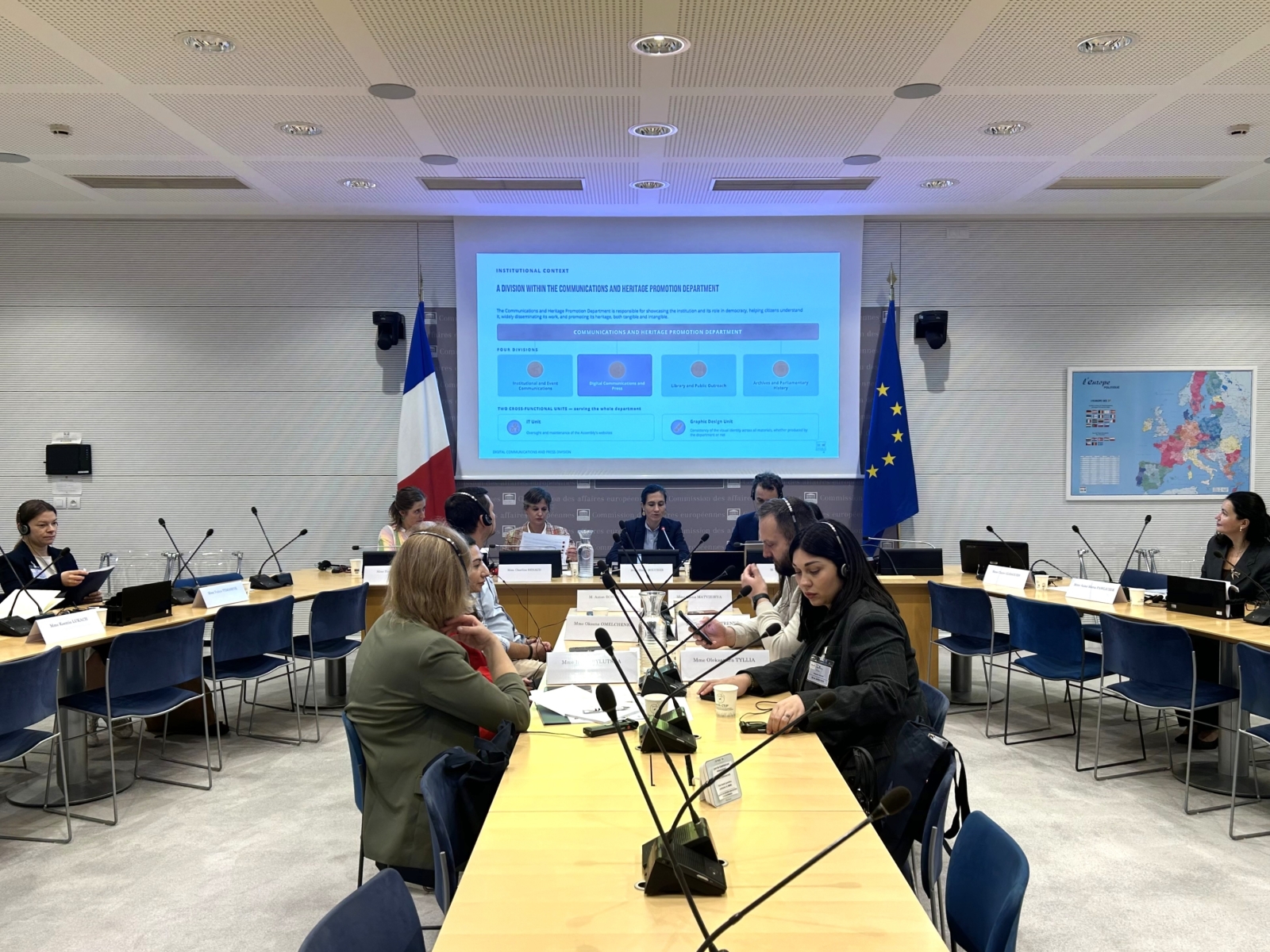
The programme at the French National Assembly provided an in-depth look at how the institution organises its communication, public outreach, educational activities, institutional events and ethics.
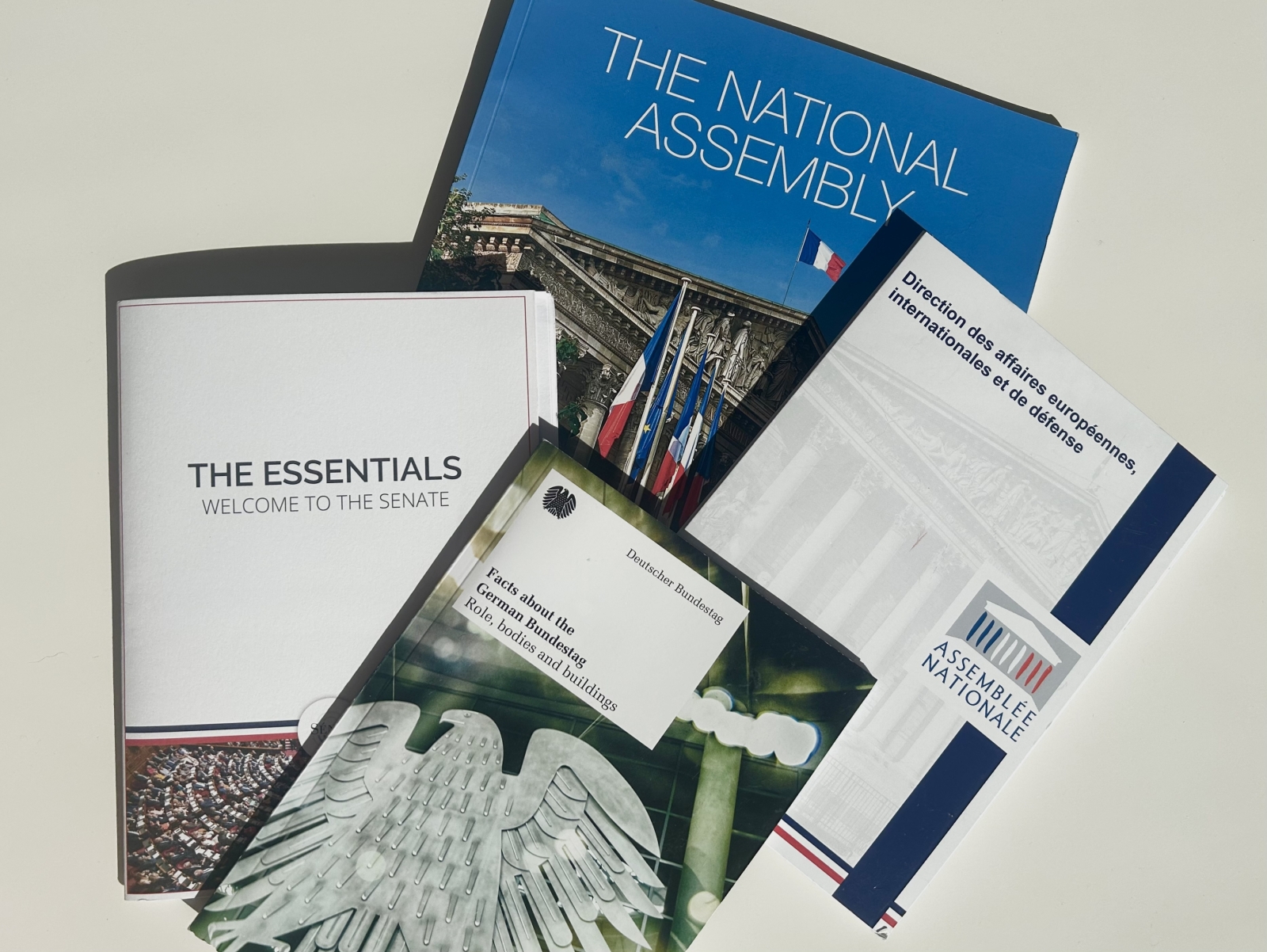
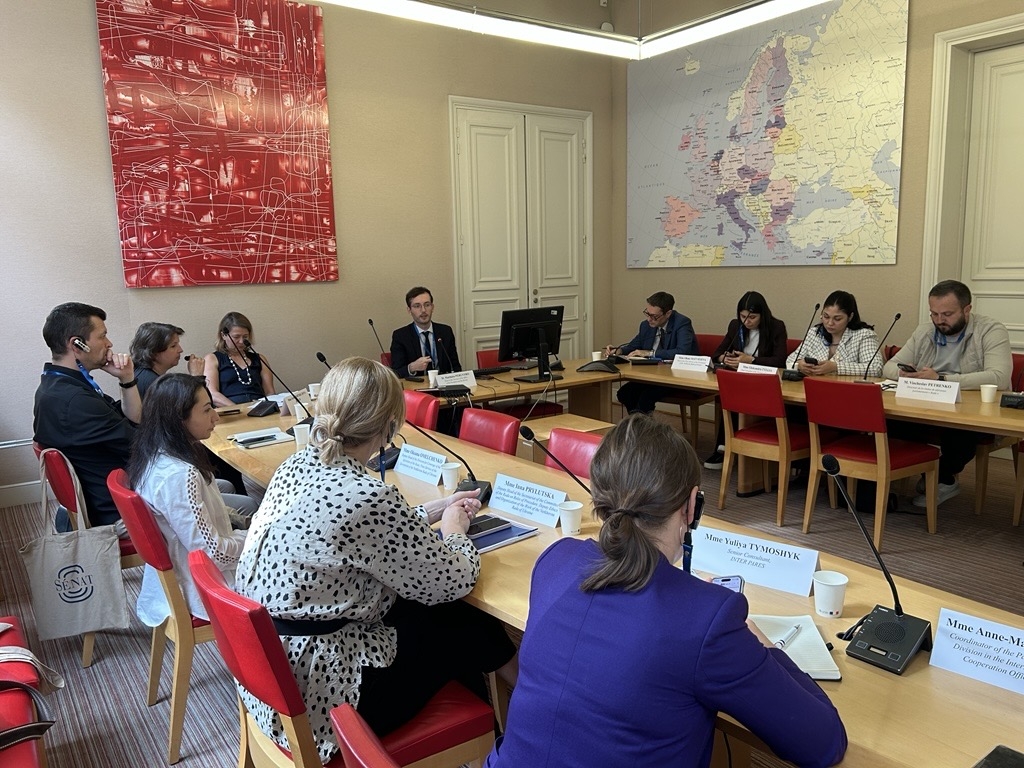
The visit opened with a presentation of the French and German parliamentary systems and their respective institutional contexts. Representatives of the Verkhovna Rada, the National Assembly and the German Bundestag then exchanged practices on press relations and social media.
Discussions addressed the structure and responsibilities of parliamentary communication teams, relations with journalists, media accreditation, press access to parliament, and the rapidly changing digital communication environment. Participants considered how parliamentary administrations can provide timely and accessible information while preserving political neutrality, institutional accuracy and public confidence.
Introducing parliament to children and young people
A particularly engaging part of the programme focused on how parliaments communicate with children and young people.
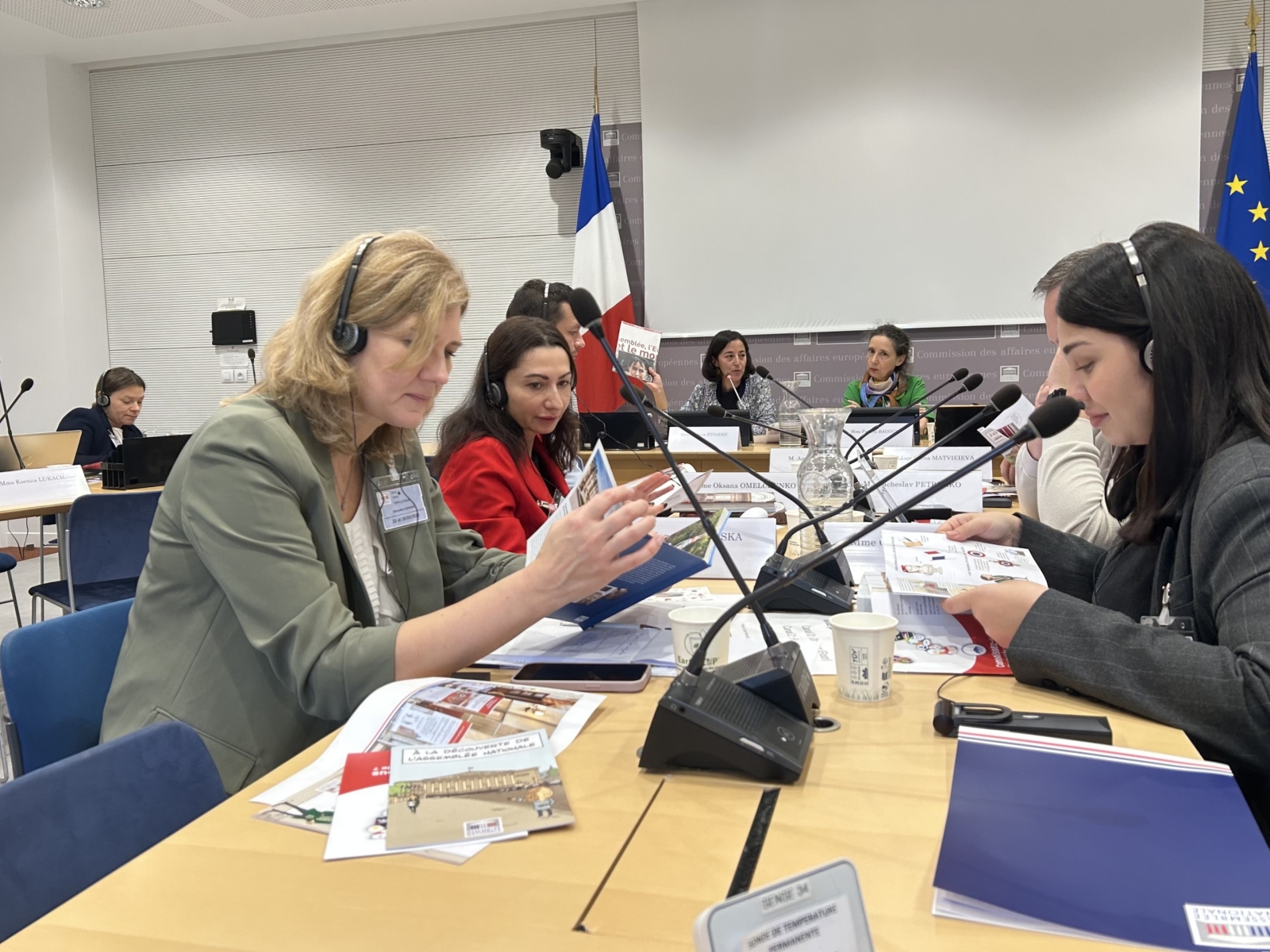
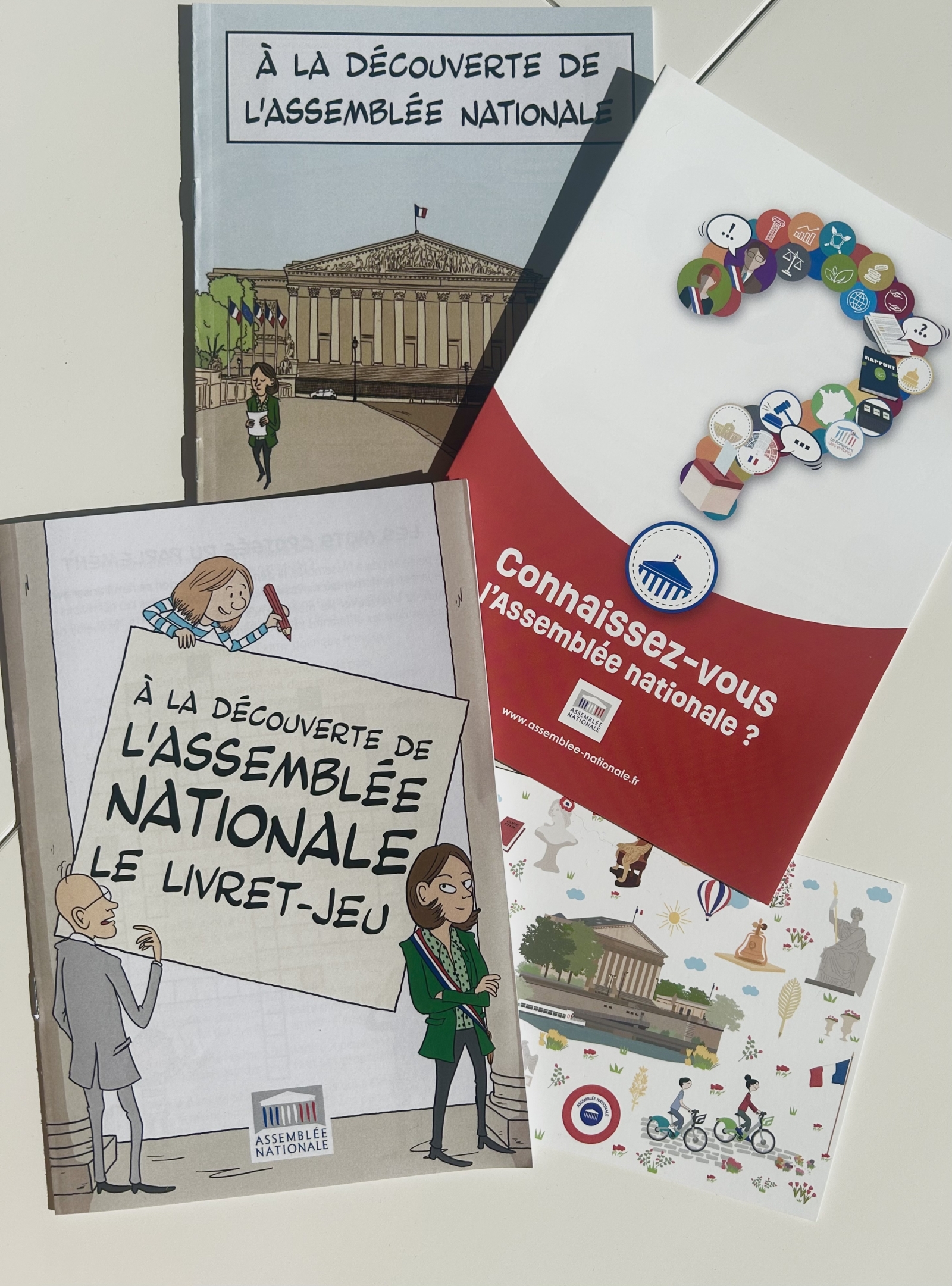
Representatives of the National Assembly shared their experience of the Children’s Parliament, which is linked to school learning and supported through educational activities and open lessons. This approach helps children understand from an early age how parliament works, how laws are developed and how democratic decisions affect their lives.
The discussion demonstrated that parliamentary education can be informative without being overly technical. By using engaging stories, visual formats and interactive learning, parliaments can help children and young people see democratic institutions not as distant buildings, but as institutions that represent citizens.
From providing information to engaging citizens
Citizen engagement was another prominent theme of the exchanges. Participants discussed how parliaments can create opportunities for citizens to contribute to discussions of public interest.
The conversation covered public visits to parliament, social media, parliamentary websites, public events and audiovisual formats. Participants reflected on how these different channels can complement one another and help parliaments reach people who may not ordinarily follow parliamentary proceedings. The Ukrainian delegation shared its exceptional practical experience of engaging citizens with limited resources during war-time.
Connecting parliamentary history with contemporary communication
The programme also provided insights into the work of the National Assembly’s library and visits service. Participants discussed how parliamentary libraries, archives, exhibitions, and guided visits can serve not only internal institutional needs, but also wider public communication and education. The visit showed how parliamentary history can be presented in ways that help citizens understand the evolution of democratic institutions.
Ethics, integrity and parliamentary broadcasting: exchanges at the French Senate
The discussions at the French Senate focused closely on parliamentary ethics, professional conduct and the responsibilities of parliamentary staff and elected representatives.
Participants exchanged views on the role of ethics bodies, declarations of interests and assets, ethical principles for parliamentary staff, and institutional mechanisms for identifying and addressing potential conflicts of interest.
The discussions also covered the organisation of staff responsibilities, the compatibility of different functions, additional professional activities, and the rules that apply when parliamentary staff engage in work outside their principal duties.
Preventing conflicts of interest
An effective ethics framework doesn’t only investigate possible misconduct after it occurs. It helps parliamentarians and staff recognise ethical risks at an early stage, understand the rules that apply to them and seek advice before a problem arises.
Participants explored how ethics rules can reflect the realities of parliamentary work. Parliamentary administrations need to maintain impartiality, professionalism and clearly defined boundaries while still encouraging staff initiative, creativity and innovation. The discussions therefore considered how institutions can establish safeguards without unnecessarily limiting constructive professional activities.
A practical exchange between parliamentary broadcasters
A parliamentary channel not only provides access to parliamentary proceedings, but it also helps citizens to better understand political decisions in a way that is relevant and accessible.
The French Senate maintains its own television and audiovisual production facilities, including a production studio and technical infrastructure. Representatives of the Senate’s television channel and the Verkhovna Rada’s Rada channel exchanged practical experience concerning recording, broadcasting, programme production, technical operations, and the storage and archiving of audiovisual materials.
The discussions allowed participants to compare the operational challenges faced by parliamentary channels. These include broadcasting parliamentary proceedings reliably, preserving audiovisual records, producing programmes for different audiences and maintaining editorial relevance in an increasingly digital media environment.
Both sides expressed interest in continuing the professional exchange and exploring opportunities for future cooperation. Establishing these direct working relationships is an important result of peer-to-peer visits, as it allows parliamentary professionals to remain in contact, exchange materials and seek practical advice after the formal programme has ended.
The Senate channel also shared examples of programmes devoted to Ukraine, including films about Ukrainian culture, education and the experiences of Ukrainians. These initiatives reflected the continued solidarity of French parliamentary institutions with Ukraine and its people.
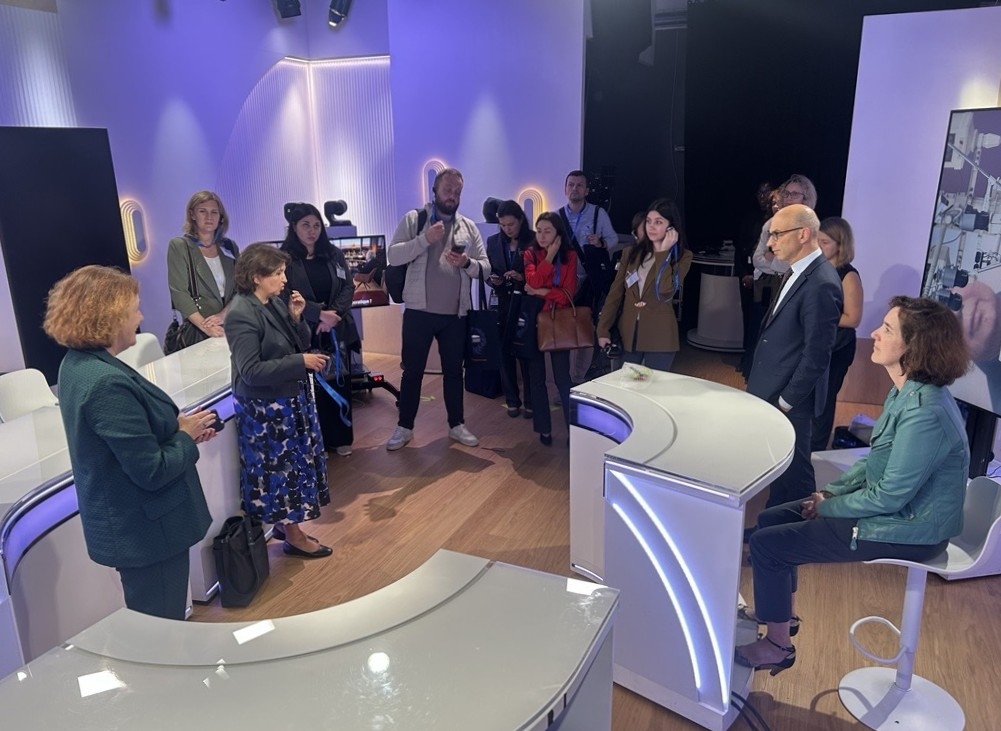
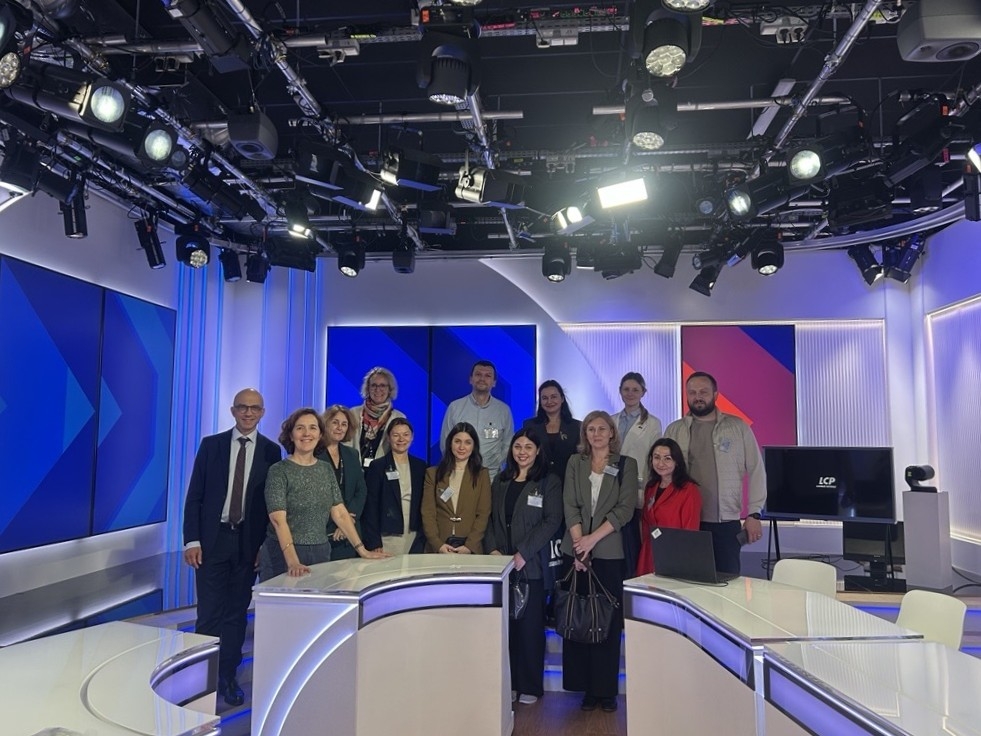
In addition, the Ukrainian parliamentarians visited the La Chaîne parlementaire at the National Assembly and met with the channels' leadership. During the visit to its broadcasting studios, participants examined how a parliamentary television channel can combine the broadcasting of parliamentary proceedings with debates, interviews, talk shows, documentaries and short films.
Supporting parliamentary work under exceptionally difficult conditions
Throughout the visit, French and German colleagues acknowledged the exceptionally difficult circumstances in which the Verkhovna Rada and its staff continue to operate during Russia’s war against Ukraine.
Ukrainian parliamentary staff are supporting the continuity of democratic institutions while facing repeated attacks and disruption to their personal and professional lives. Some members of the parliamentary administration have left their positions to serve in the army, while those who remain continue to carry out their institutional responsibilities under extraordinary pressure.
Representatives of both chambers of the French Parliament recognised the resilience and dedication of their Ukrainian colleagues and reaffirmed their support for the Verkhovna Rada. This human dimension gave additional meaning to the technical discussions and reinforced the importance of sustained cooperation among parliamentary administrations.
Turning professional exchange into lasting cooperation
Study visits of this kind are most valuable when they provide space for frank and practical discussion among peers.
By examining working methods, institutional structures and practical tools, participants can understand not only what another parliament does, but also how and why particular approaches have developed. This provides a stronger basis for identifying practices that may be adapted to another parliamentary and national context.
Inter Pares sincerely thanks the French National Assembly and the French Senate for their warm welcome, generous hospitality and openness in sharing their experience. We are also grateful to the German Bundestag for its important contribution to the comparative and practical exchanges, and Ukrainian Verkhovna Rada colleagues for their engagement, insights and for creating a constructive and collegial dialogue among parliamentary professionals.
By facilitating cooperation among European Union Member State parliaments and the Verkhovna Rada, Inter Pares helps establish relationships that can continue well beyond individual activities. These exchanges strengthen professional networks, expand access to comparative experience, and contribute to more resilient, effective, ethical and citizen-oriented parliamentary institutions.
This publication was funded by the European Union. Its contents are the sole responsibility of WYDE Inter Pares | Parliaments in Partnership and do not necessarily reflect the views of the European Union.