

Parliamentarians Gather in Botswana to Strengthen Budget Oversight and Accountability
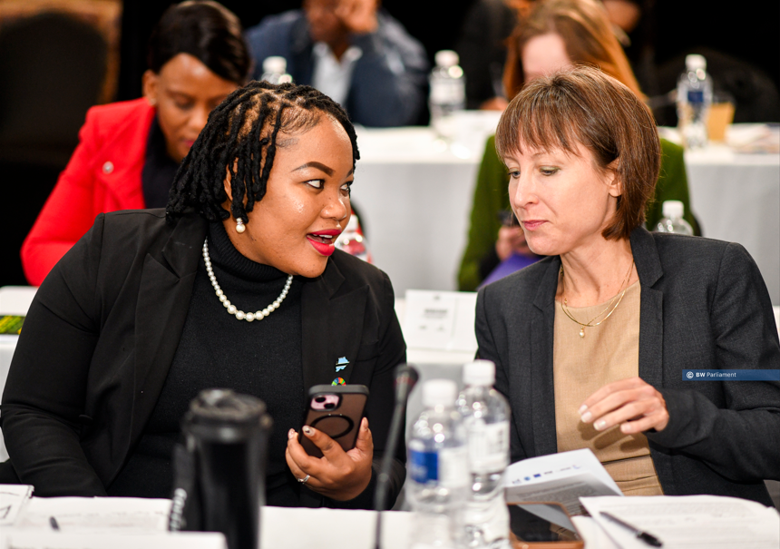
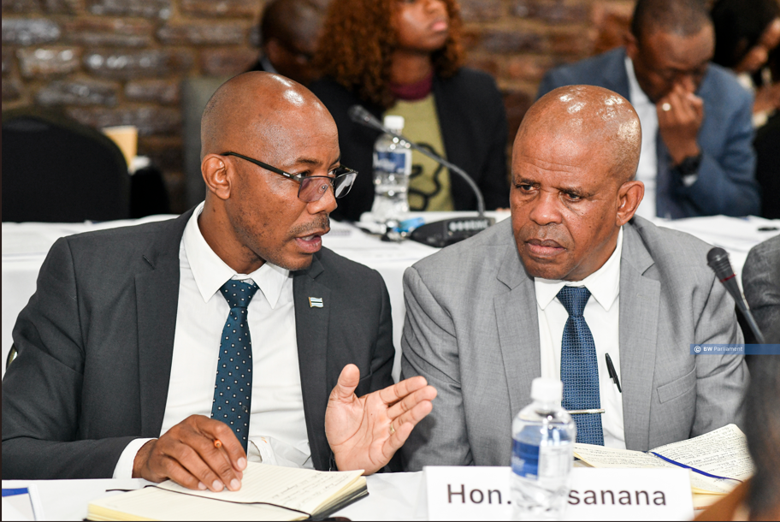
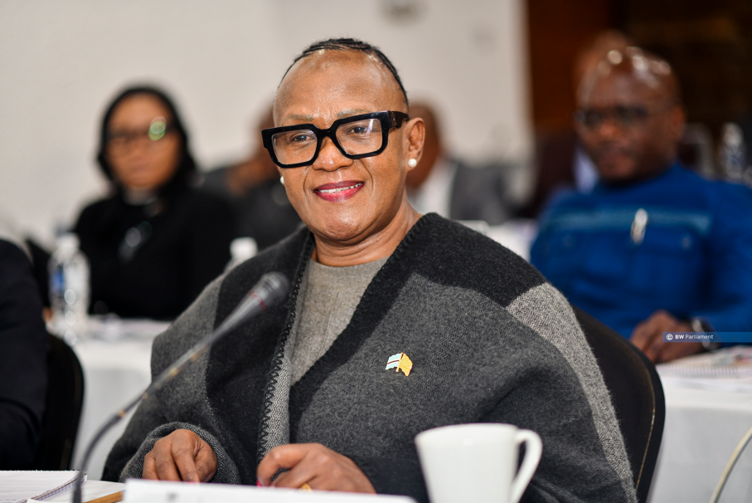
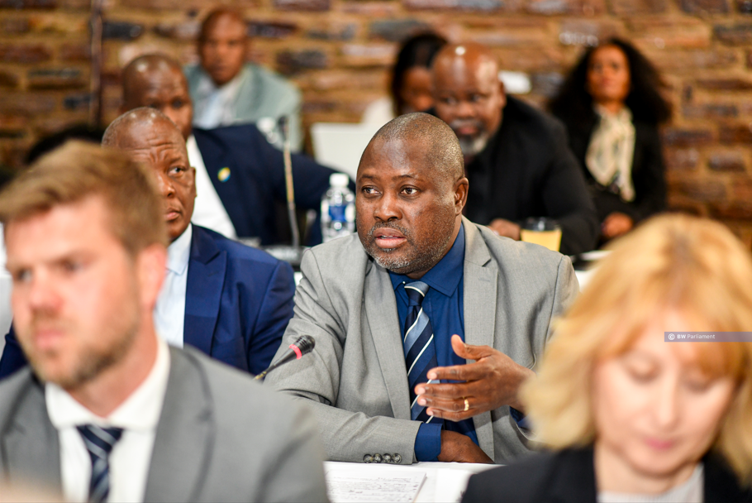
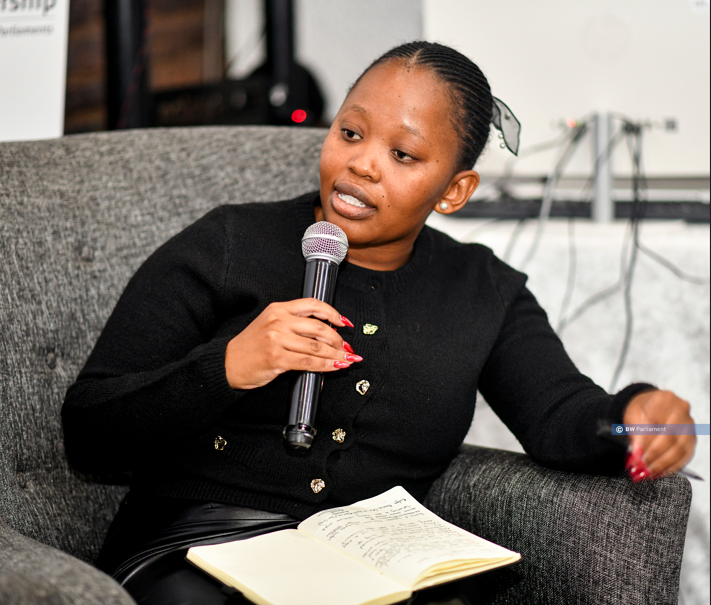
Past Event - 10-12 June, 2026From 10-12 June, Parliamentarians, parliamentary and government officials, and experts from across Africa and Europe gathered in Gaborone for a three-day workshop on Parliament's Budgetary Engagement and Oversight of Public Enterprises, hosted by the National Assembly of Botswana in partnership with Inter Pares – Parliaments in Partnership.
The workshop brought together participants from Botswana, Denmark, Ireland, Malawi, Slovakia, South Africa, and Zambia to exchange experiences and explore practical approaches to strengthening parliamentary oversight of public finances and state-owned enterprises (SOEs).
The event responds to priorities identified by the National Assembly of Botswana following the 2024 elections, as Parliament seeks to strengthen its oversight role and enhance accountability, transparency, and public trust in government institutions. Discussions focused on Parliament's engagement throughout the budget cycle—from budget formulation and approval to implementation, audit, and follow-up—as well as the effective oversight of state-owned enterprises.
Opening the workshop, Dr Gabriel G. G. Malebang, Clerk of the National Assembly of Botswana, described the event as "a major milestone in the growth and resuscitation of our parliamentary committees" and highlighted Parliament's commitment to reviving and strengthening its oversight function.
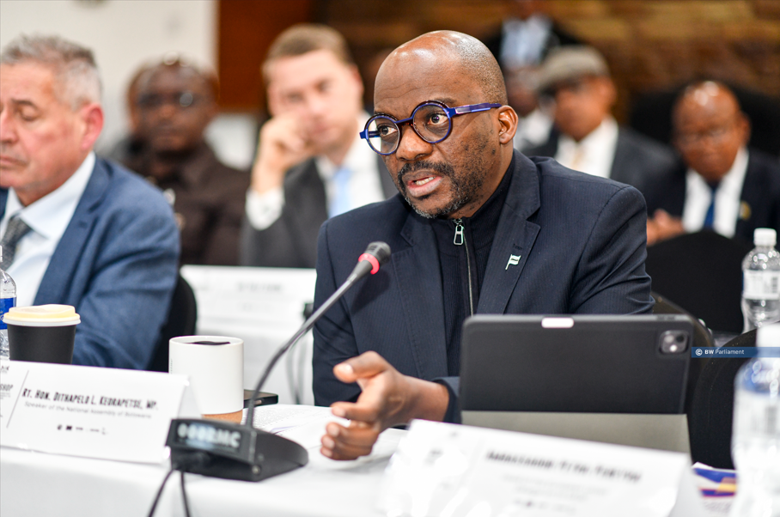
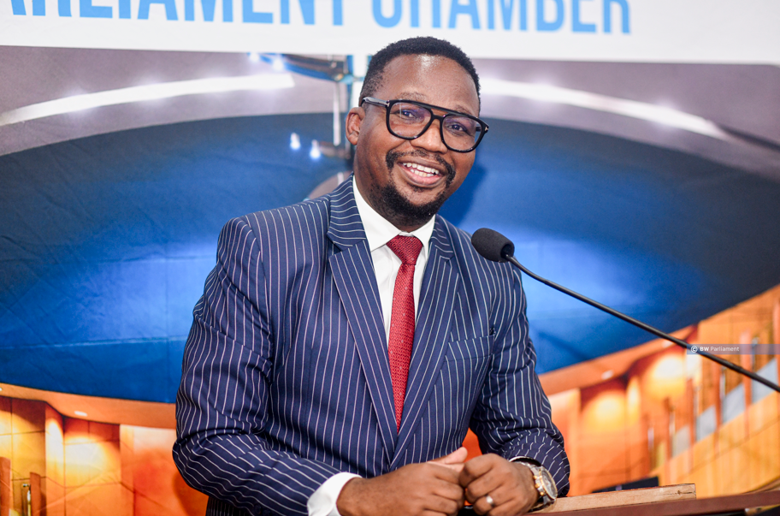
In his keynote address, Rt. Hon. Dithapelo Keorapetse, Speaker of the National Assembly of Botswana, underscored Parliament's constitutional responsibility to safeguard the public interest through effective financial scrutiny and accountability. He emphasized that parliamentary oversight extends beyond budget approval and requires sustained engagement throughout the entire budget cycle to ensure that public resources are used effectively and in line with national priorities.
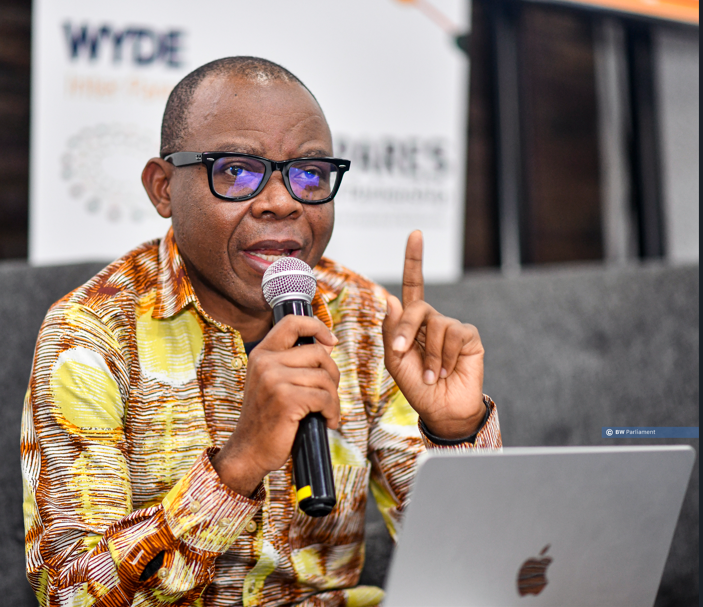
Speaking on behalf of International IDEA and Inter Pares, Jonathan Murphy highlighted the National Assembly's leadership in identifying its own institutional priorities and reaffirmed Inter Pares' commitment to supporting peer-to-peer learning and parliamentary cooperation. He noted that effective parliamentary development is most successful when driven by the needs and ambitions of parliament itself.
Throughout the workshop, participants examined comparative experiences from across the Southern African region and the European Union, exploring topics including parliamentary budget scrutiny, committee oversight, the role of audit institutions, access to information, and accountability mechanisms for state-owned enterprises. The programme combined expert presentations, peer exchange, and practical exercises designed to strengthen the capacity of Members of Parliament and parliamentary staff to carry out their oversight responsibilities.
The workshop builds on more than two years of collaboration between the National Assembly of Botswana and Inter Pares, which has supported initiatives on legislative scrutiny, public participation, climate and conservation governance, gender-sensitive parliaments, and institutional strengthening.
The discussions in Gaborone are expected to contribute to practical recommendations for strengthening parliamentary budget engagement and to inform the development of a parliamentary brief on the oversight of state-owned enterprises. By fostering peer learning and sharing experiences across parliamentary systems, the workshop aims to support the National Assembly of Botswana's ongoing efforts to strengthen democratic accountability and effective governance.
Inter Pares will continue its partnership with the National Assembly through additional activities later this year, including an exchange focused on advancing women's political participation and addressing challenges such as harassment and violence against women in politics.
Additional Resources: