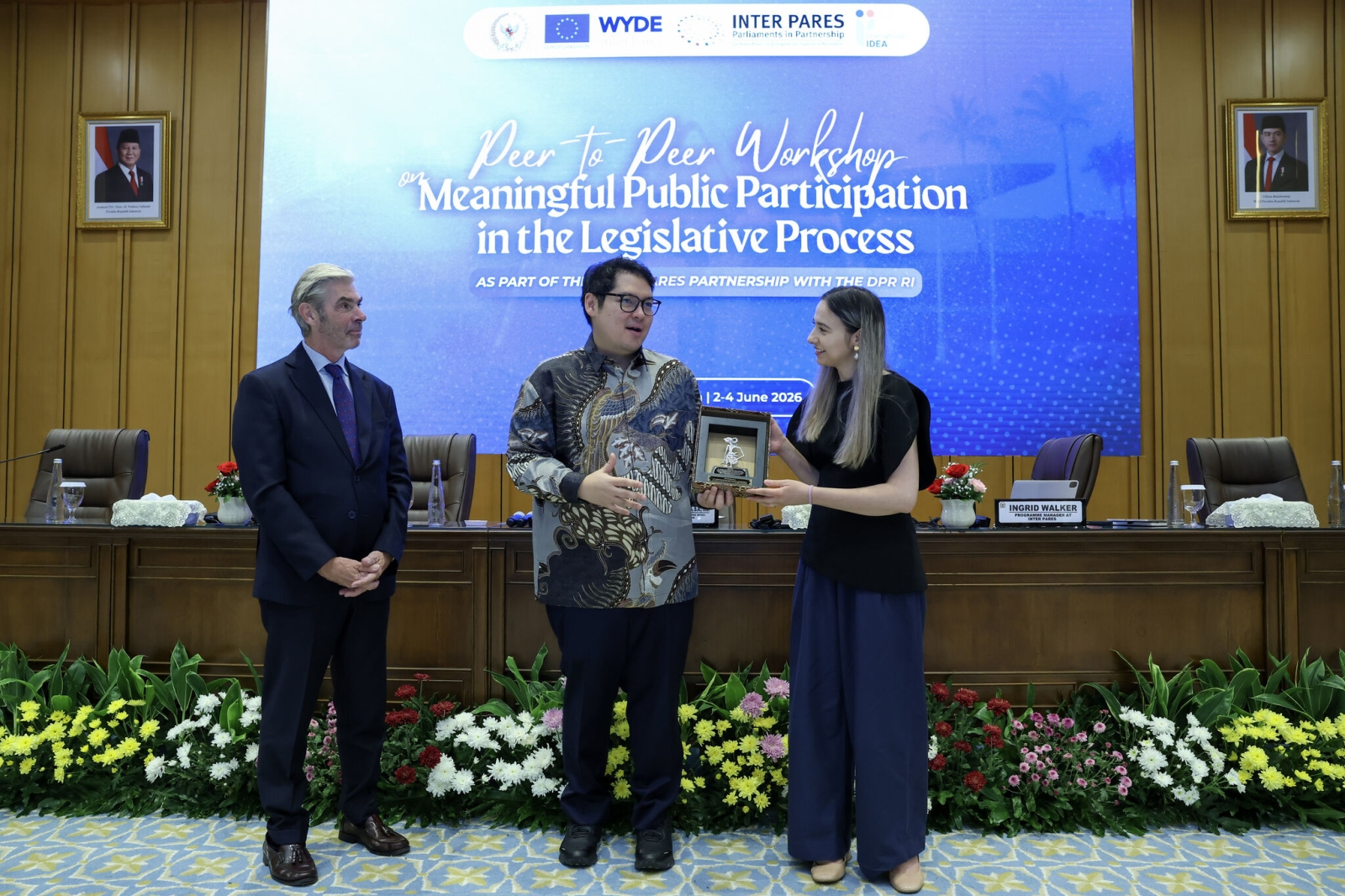


Peer-to-Peer Workshop on Meaningful Public Participation in the Legislative Process
Past Event - 2-4 June, 2026How can parliaments build public trust and ensure citizens have a meaningful voice in the legislative process?
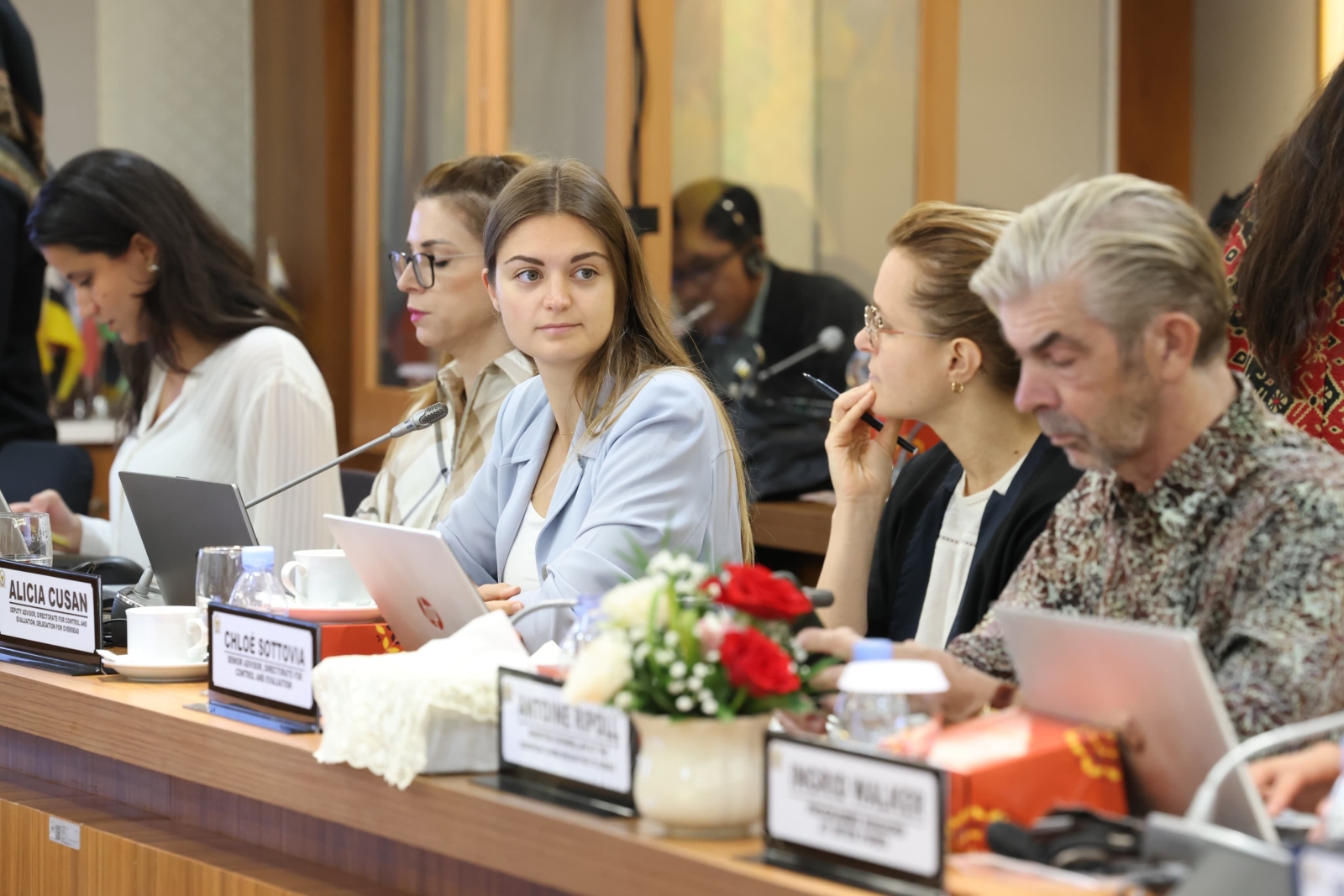
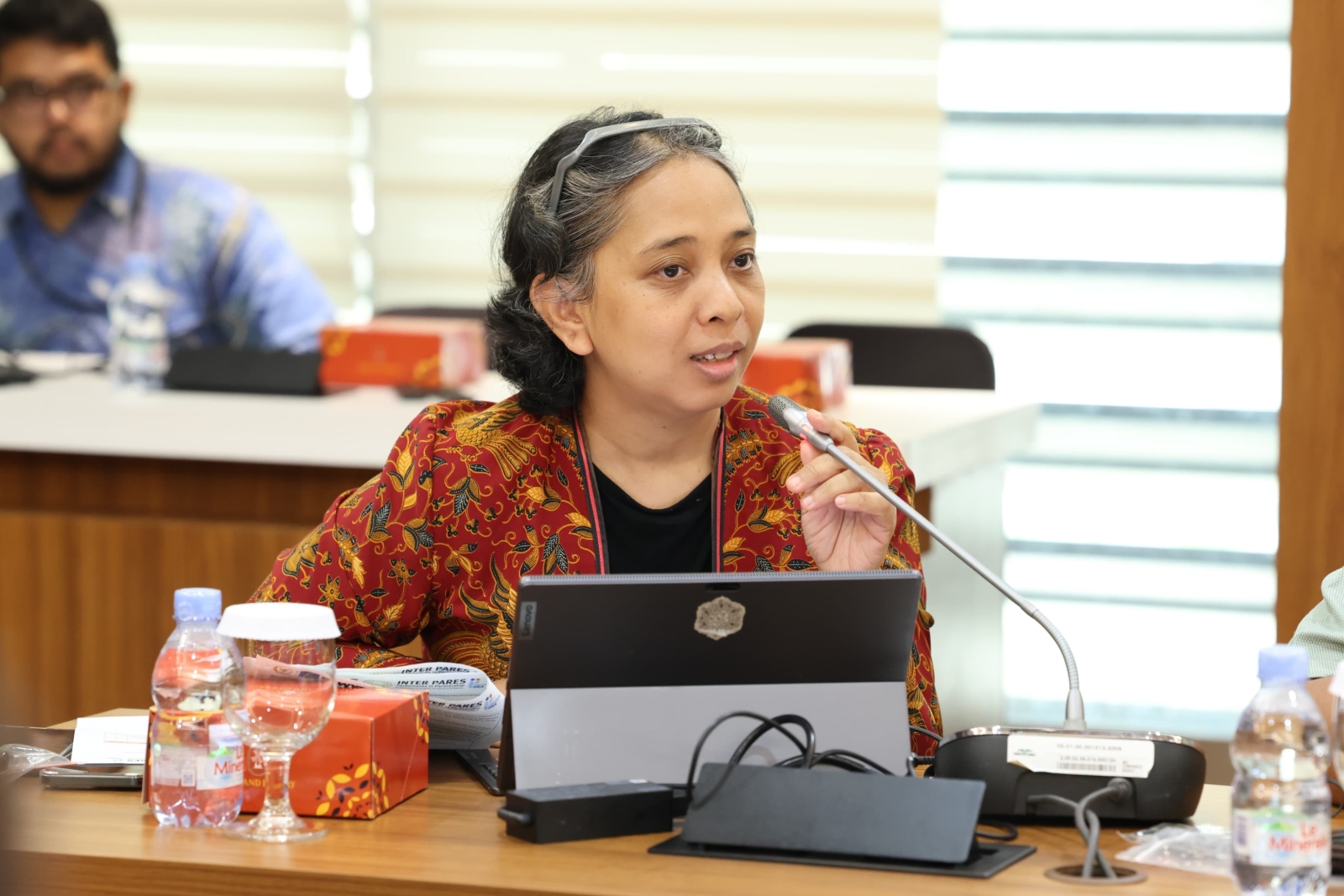
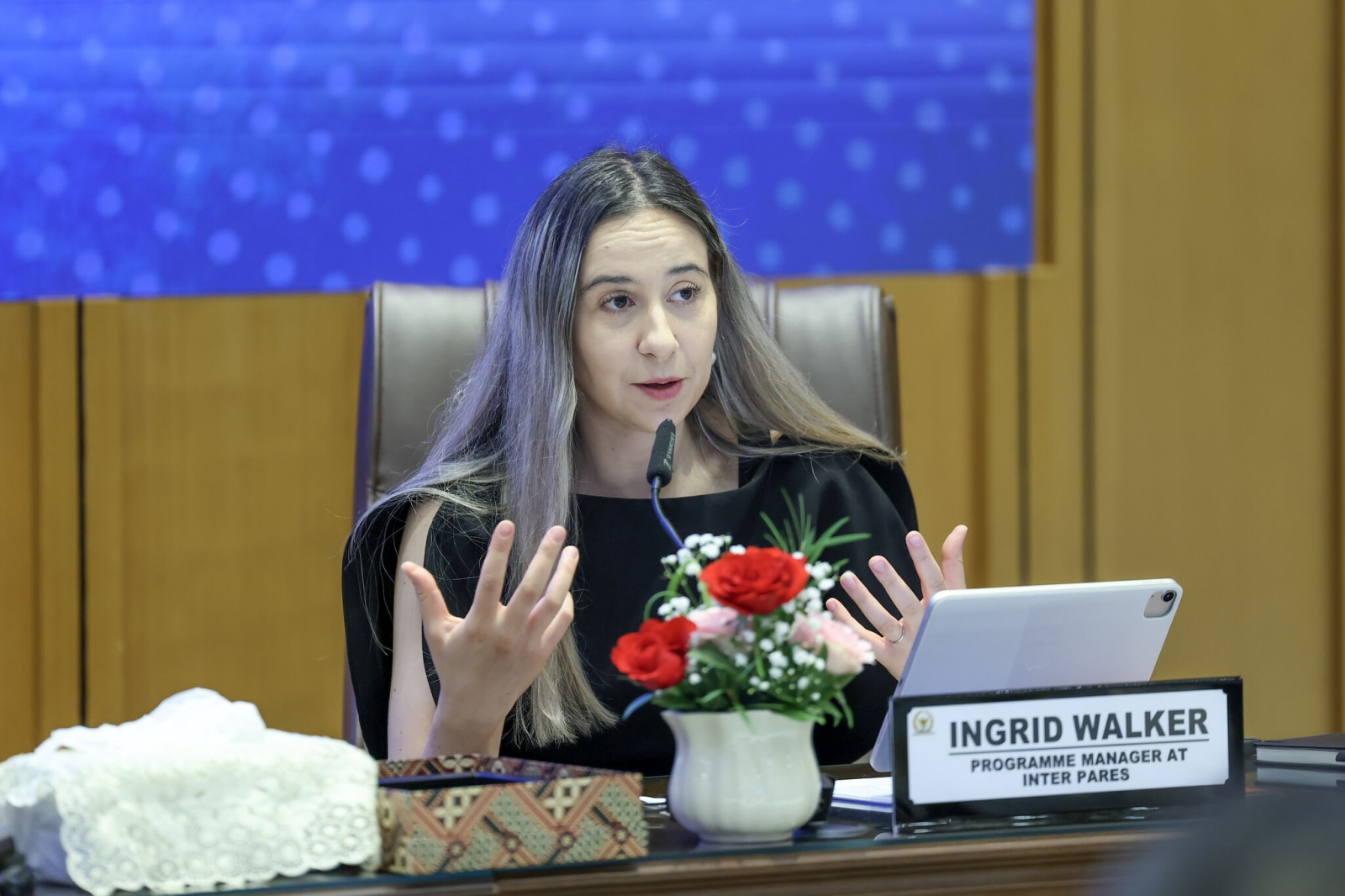
These questions brought parliamentary practitioners, researchers and experts together in Jakarta from 2–4 June for a Peer-to-Peer Workshop on Meaningful Public Participation in the Legislative Process, organised through the Inter Pares partnership with the House of Representatives of the Republic of Indonesia (DPR RI).
The workshop supported the DPR RI Expert Body (Badan Keahlian DPR RI) as it develops Guidelines on Meaningful Public Participation in the drafting of Academic Papers and Bills. Through peer-to-peer exchange, participants explored practical approaches to strengthening citizen engagement throughout the legislative process and ensuring that public participation contributes meaningfully to legislative outcomes.
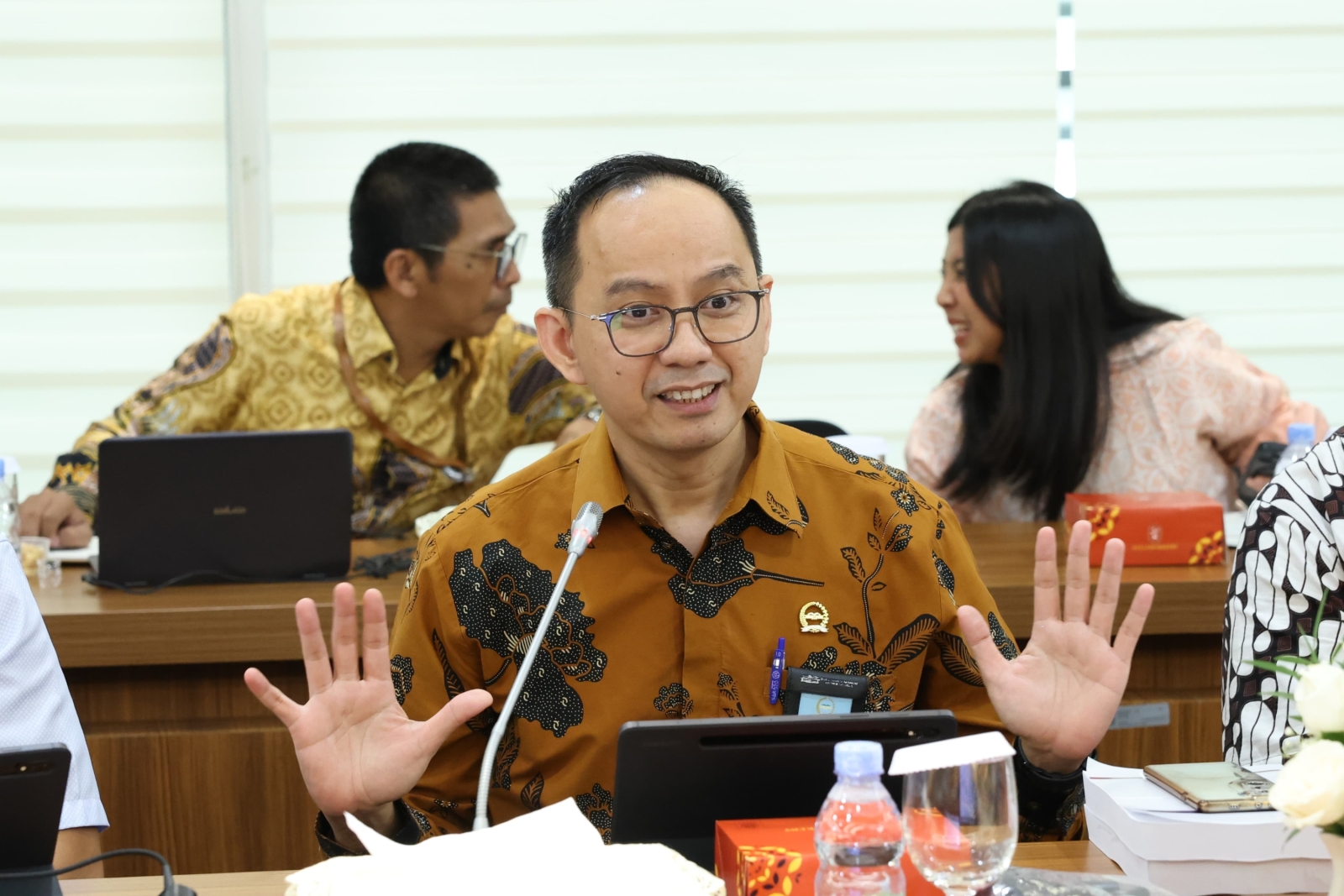
Opening the workshop, Hon. Ravindra Airlangga, Member of the DPR RI and Vice Chairperson of BKSAP, reflected on the global challenge of declining public trust in democratic institutions and highlighted the importance of strengthening connections between parliaments and citizens.
Meaningful public participation, participants agreed, is not simply about creating opportunities for consultation. It is about ensuring that engagement is inclusive, transparent, accessible, and capable of influencing decision-making.
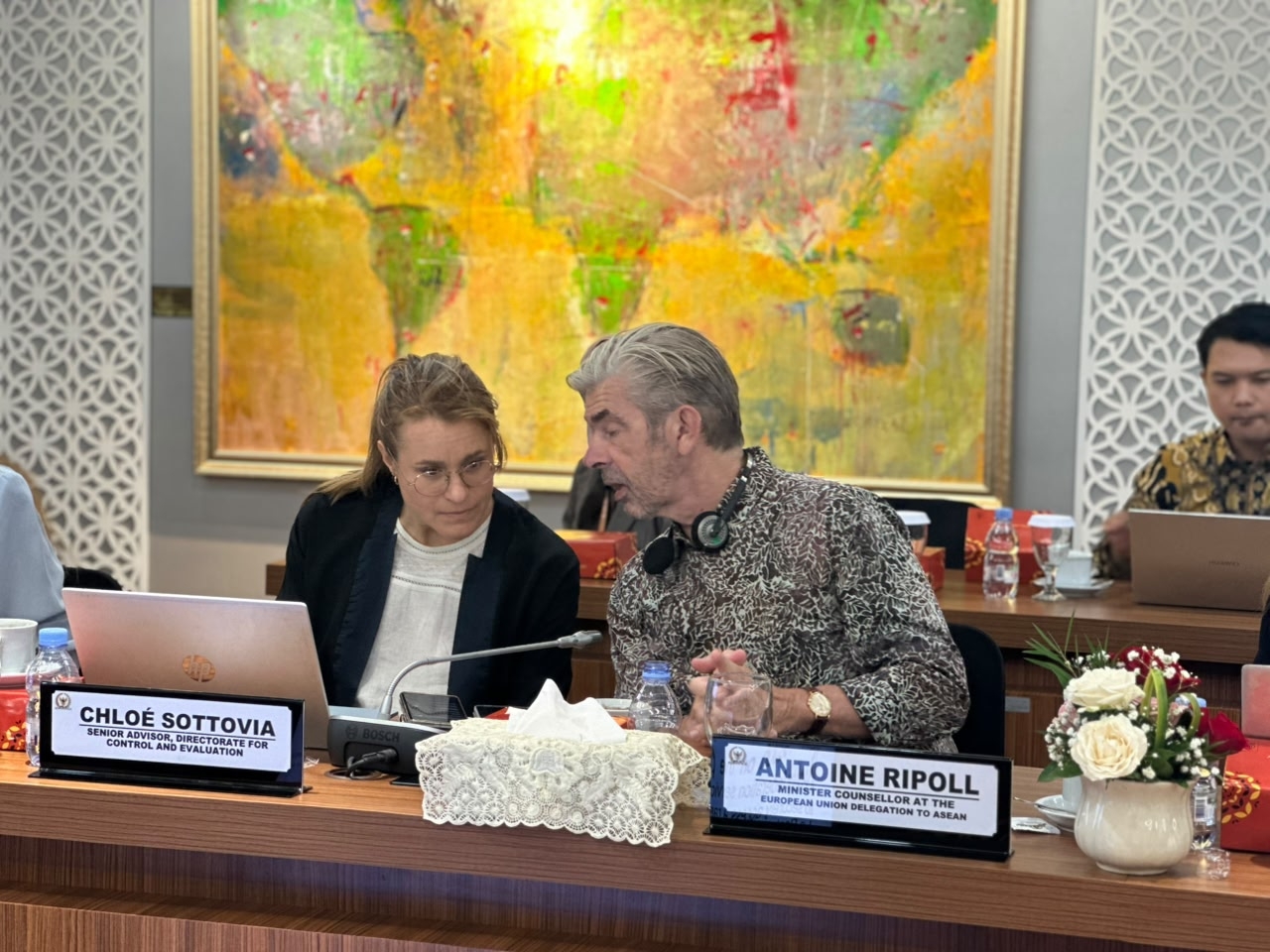
Antoine Ripoll, Minister Counsellor at the European Union Delegation to Indonesia and ASEAN, underscored the democratic significance of participation, noting that laws derive legitimacy not only from those who enact them, but also from the meaningful inclusion of the people they affect.
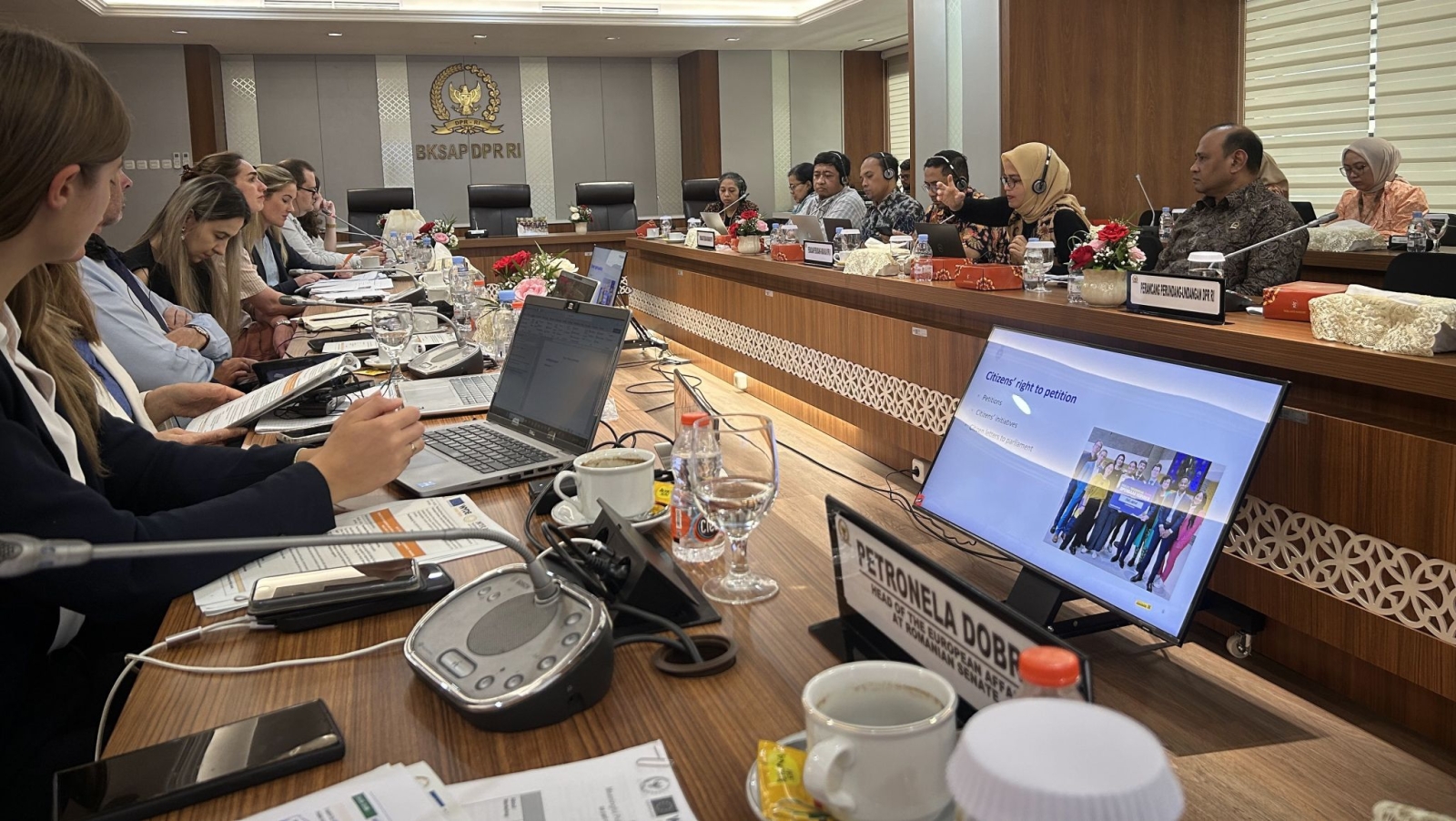
Over three days, parliamentary officials and experts from Indonesia, France, the Netherlands, Romania, and Slovakia exchanged experiences and examined both the opportunities and challenges involved in designing effective public participation systems.
From Consultation to Meaningful Engagement
The first day focused on the foundations of meaningful participation: defining its purpose, identifying stakeholders, and ensuring representation.
Participants explored how parliaments can move beyond procedural consultation and create engagement processes that reflect the diversity of society. Discussions examined stakeholder mapping, accessibility, and strategies for reaching groups that are often underrepresented in legislative consultations, including women, young people, persons with disabilities, and marginalised communities.
Drawing on experiences from across Europe and Indonesia, participants discussed how parliamentary administrations can design participation processes that are responsive, representative, and accessible, while balancing institutional constraints and available resources.
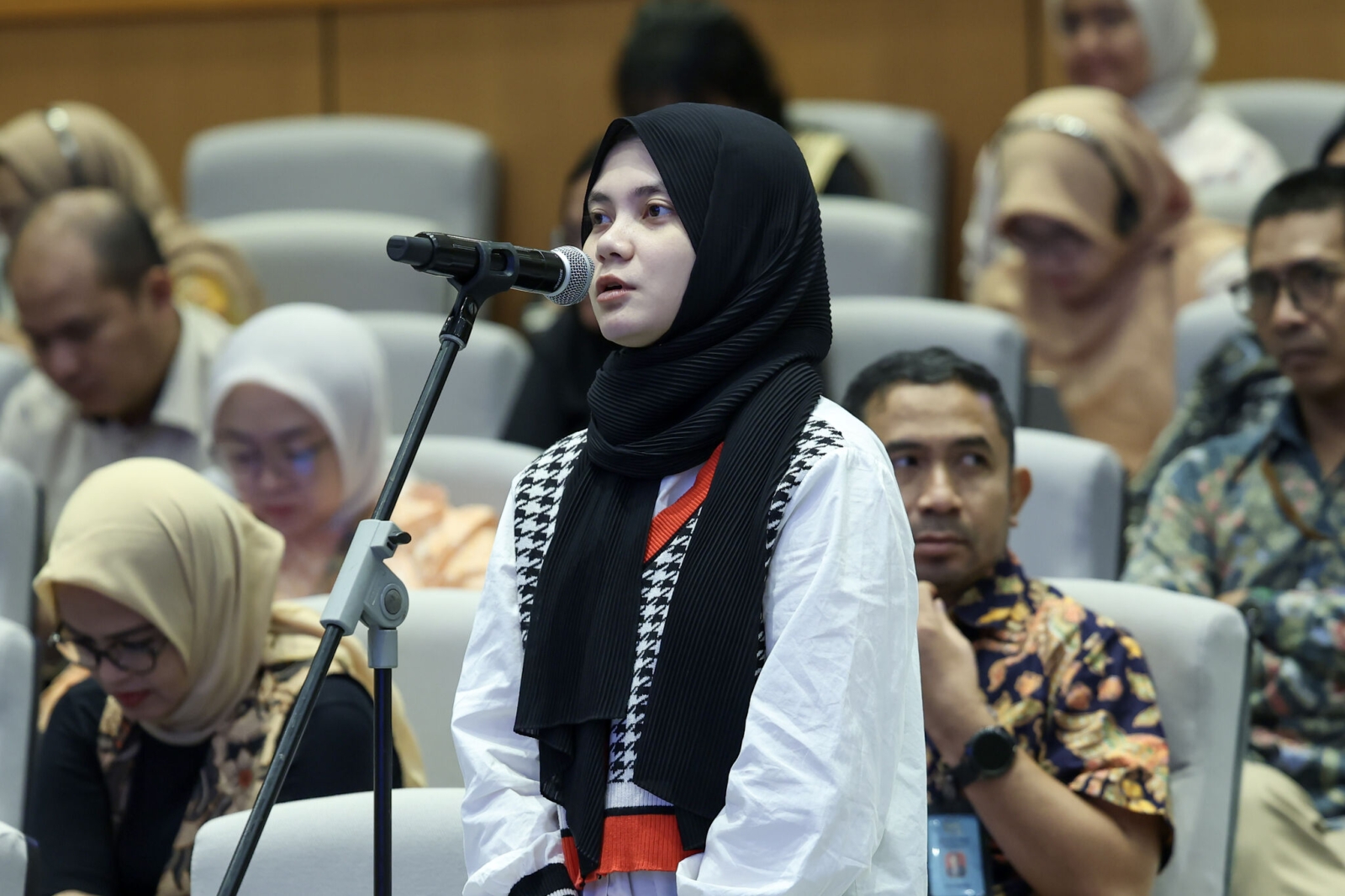
Small-group discussions highlighted a common challenge shared across parliamentary systems: ensuring that public participation is not dominated by the same organisations and stakeholders, but instead reaches a broader range of citizens whose voices are less frequently heard.
Managing Public Input and Closing the Feedback Loop
Day two moved from principles to practice, focusing on information dissemination, consultation timeframes, processing public input, and communicating legislative decisions back to citizens.
A recurring theme throughout the discussions was time.
When legislation is considered urgent, how can parliaments ensure citizens still have a genuine opportunity to participate? Participants compared approaches to consultation timeframes and explored whether expedited legislation should follow different engagement requirements. While institutional practices varied, participants agreed that maintaining meaningful opportunities for citizen input remains important even when legislative timelines are compressed.
The workshop also examined how parliaments communicate legislative information to the public, including what information should be published, when it should be shared, and how digital platforms and social media can be used to broaden participation beyond traditional stakeholders.
Particular attention was given to the challenge of managing large volumes of public submissions. Participants shared experiences on systems for receiving, cataloguing, analysing, and responding to public input, as well as approaches for ensuring transparency throughout the process.
One concept that resonated strongly throughout the discussions was the "right to be explained" — citizens' right to understand how their contributions were considered and how public input influenced legislative outcomes.
Participants explored practical mechanisms for closing this feedback loop, recognising that meaningful participation does not end when citizens submit comments. Public trust is strengthened when people can see how their views informed parliamentary deliberations and understand the reasons behind legislative decisions.
Developing Practical Recommendations
The final day focused on translating lessons learned into practical recommendations for the DPR RI's forthcoming Guidelines on Meaningful Public Participation.
Participants examined how parliaments can evaluate the effectiveness of participation processes through both procedural and substantive indicators. Discussions also explored participation infrastructure, including databases and systems that can help parliaments collect, manage, and analyse public input more systematically.
Working groups developed recommendations and indicators that can support the Expert Body's efforts to operationalise meaningful public participation within the Indonesian legislative context.
Throughout the workshop, participants repeatedly highlighted the relationship between political commitment and institutional design. While elected representatives play an essential role in engaging citizens, meaningful public participation cannot depend solely on individual initiative. Sustainable and consistent engagement requires institutional processes, clear standards, and organisational commitment.
By bringing together diverse parliamentary experiences and expertise, the workshop demonstrated the value of peer-to-peer cooperation in addressing shared democratic challenges. As the DPR RI continues developing its Guidelines on Meaningful Public Participation, the exchanges in Jakarta contributed practical insights and comparative experiences that can help strengthen citizen engagement and public trust in the legislative process.
Ultimately, meaningful public participation is a continuous process of improvement. Through dialogue, learning, and cooperation, parliaments can continue developing approaches that ensure citizens are not only consulted, but genuinely heard.